Study: Adirondack Sugar Maples in Decline

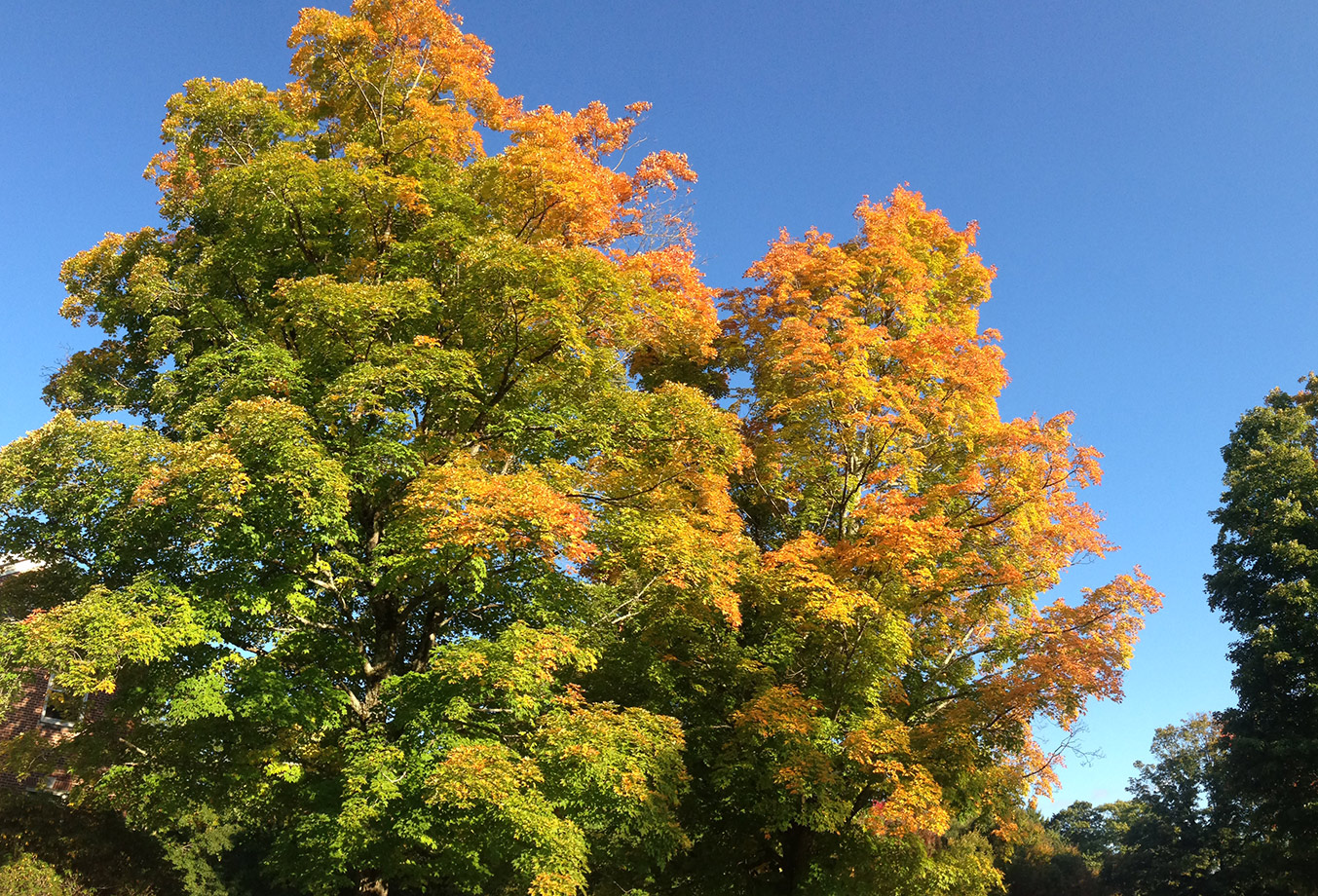
Sugar maples across the Adirondack Mountains are in significant and surprising decline, according to a study published today in the journal Ecosphere.

Harvard Forest research assistant Dan Bishop analyzed the growth rings of hundreds of sugar maples during his time as a graduate student at the SUNY College of Environmental Science and Forestry. His work built on an earlier study of acid rain impacts on sugar maple forests in the Adirondacks.

“Given their relatively young age and favorable competitive status in these forests, these sugar maples should be experiencing the best growth rates of their lives. It was a complete surprise to see their growth slow down like this,” said Bishop. “But our data tells a clear story. We can detect the start of a region-wide downturn after 1970, with a large proportion of the trees continuing this trend over recent years.”

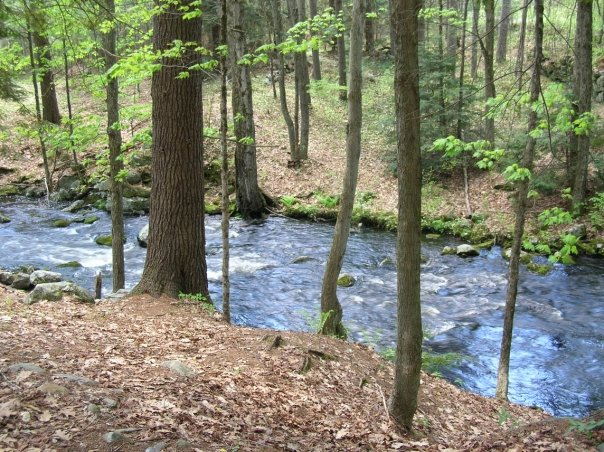
(Photo by Neil Pederson)


New Study: Herbarium Records Deepen Climate Research

A new study published today in the American Journal of Botany highlights the remarkable value of archived plant specimens in our understanding of seasonal and climate change.

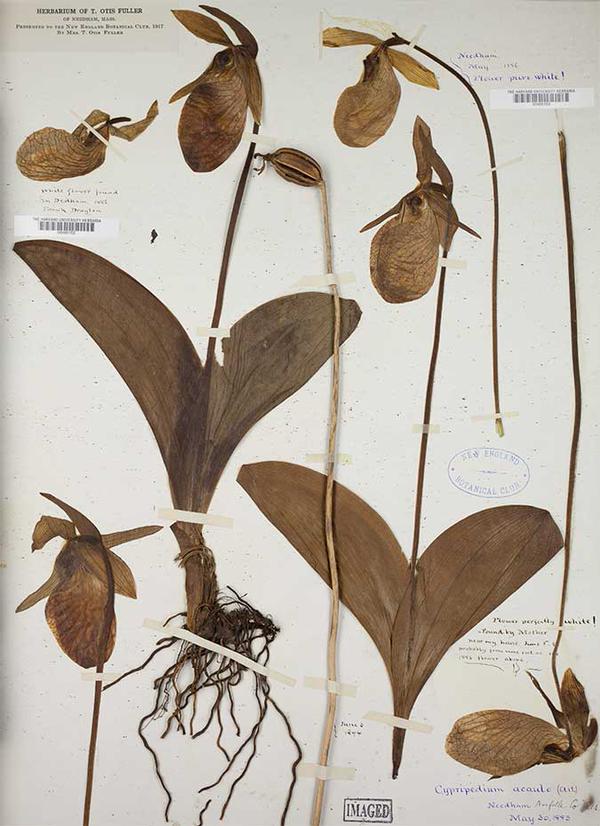
The research team, which included HF Senior Ecologist Aaron Ellison, evaluated 20 plant species in Massachusetts, meticulously estimating first-flowering dates in herbarium specimens dating back to 1852. They found that their herbarium-based estimates faithfully reflect the actual first flowering dates observed and recorded in the field during those years.

In institutions across New England, there are far more herbarium specimens than observational records, representing a much wider range of climatic conditions – and these specimens are increasingly available digitally. 

The scientists already have plans for making good use of this valuable data resource. Co-authors Charles Davis and Charles Willis from Harvard University are creating a citizen science crowdsourcing platform (called Curio) to capture data from the ~1 million digitized specimens from New England herbaria, and plan to use these data to understand how plants have responded, and will respond, to climate change in the region.

Op-Ed Focuses on Global Species Loss

To focus on climate change as the only key issue of the Pope’s encyclical is to miss the broader picture, says an op-ed in today’s Seattle Times, penned by HF Senior Ecologist Aaron Ellison and Harvard University Herbaria Director Charles Davis. A second and equally important cornerstone of the document, which the authors call “revolutionary,” is a focus on the loss of biodiversity across the globe.

(Photo by Aaron Ellison.)

Teachers Explore Ecology at Summer Workshop

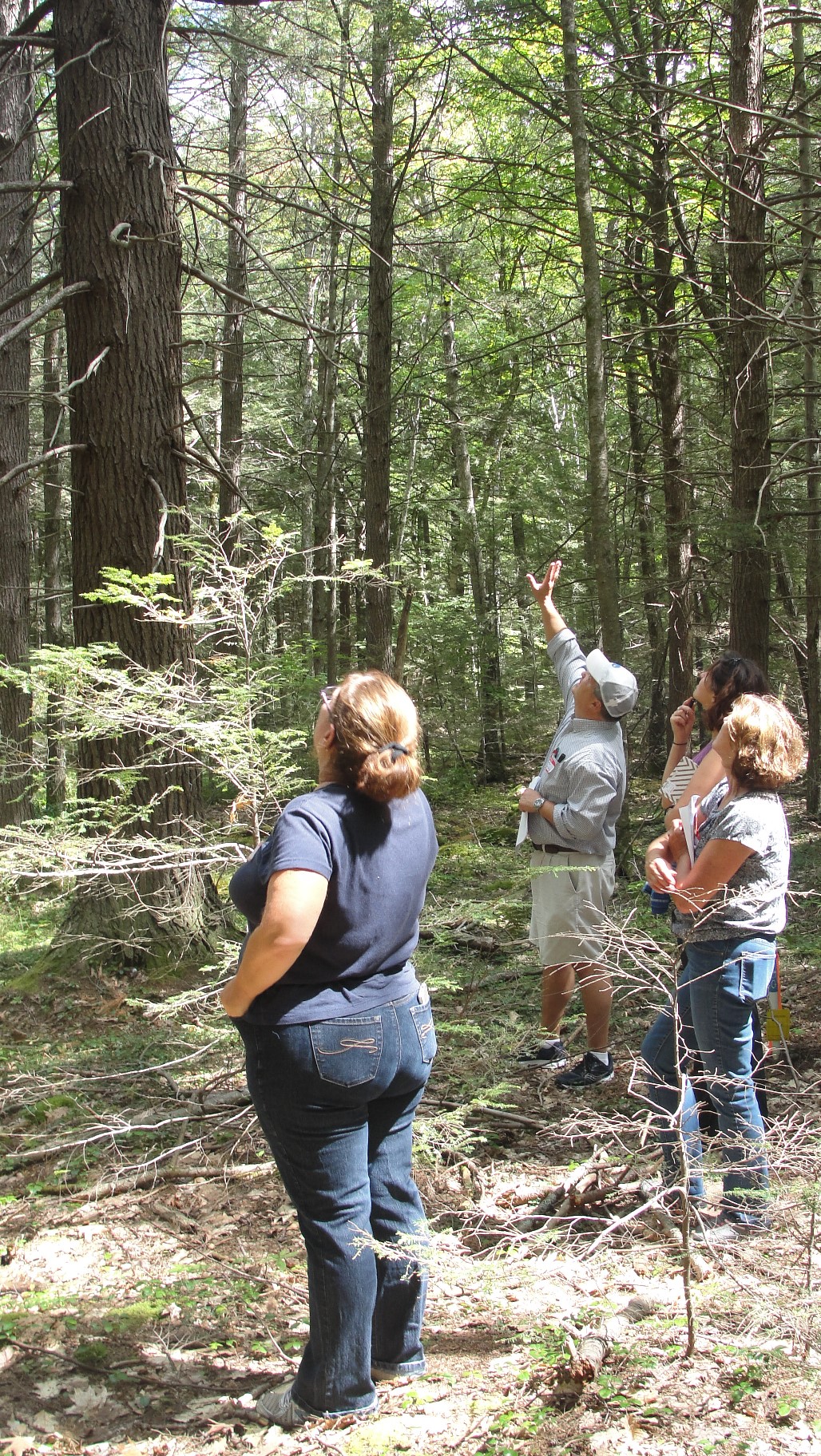
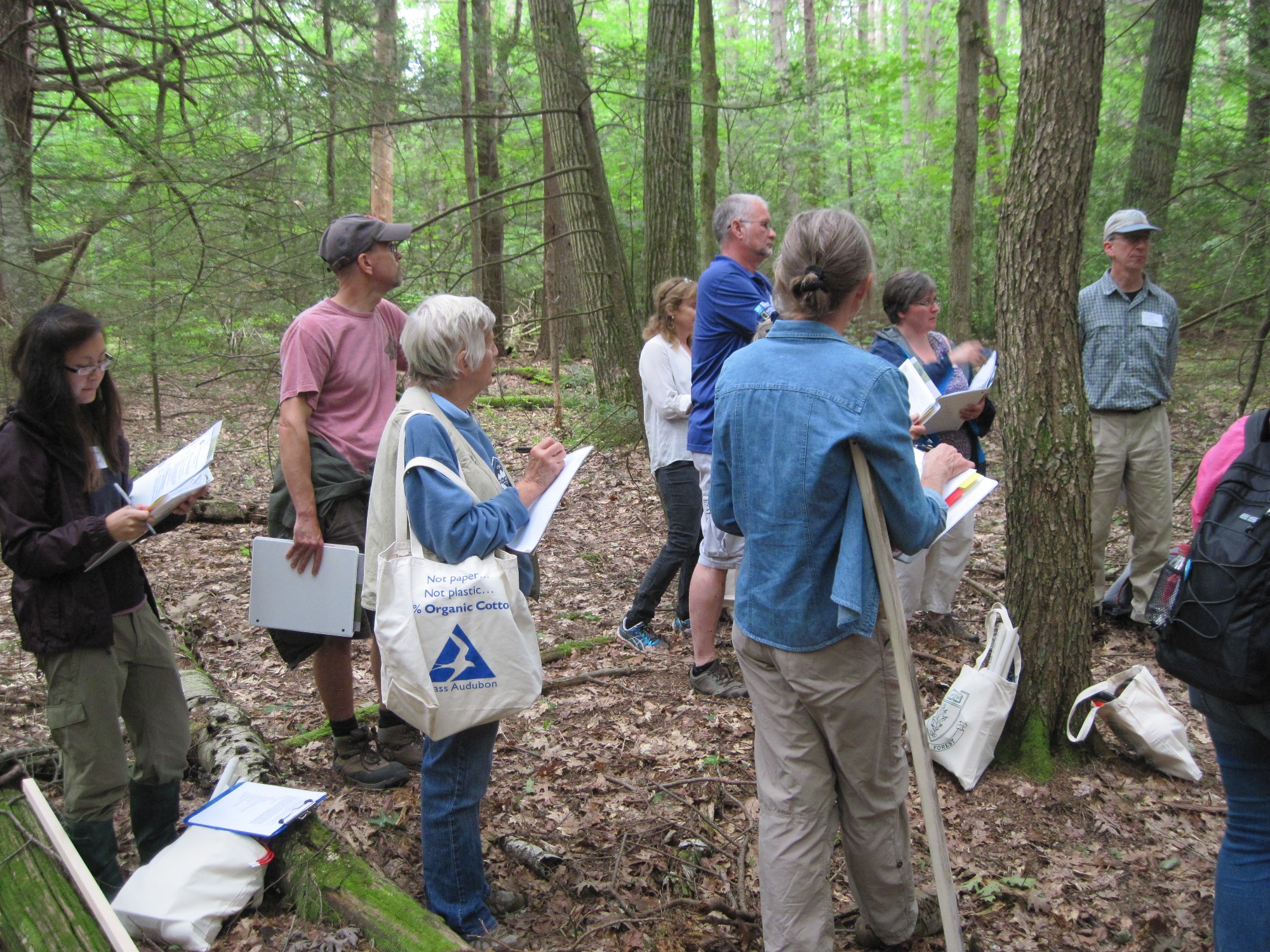
Twenty-seven teachers from around New England came to the Forest to learn ecological field methods during the Schoolyard Summer Institute this August, part of the Harvard Forest Schoolyard Ecology Program.

These teachers will lead their 4th to 12th-grade students in ecological field studies at their schools this fall, collecting long-term data to analyze back in the classroom.

Field topics include climate and seasonal change, tree species diversity and carbon dynamics, and the invasive hemlock woolly adelgid.


Bullard Spotlight: David Kittredge and Forest Management Decision-making

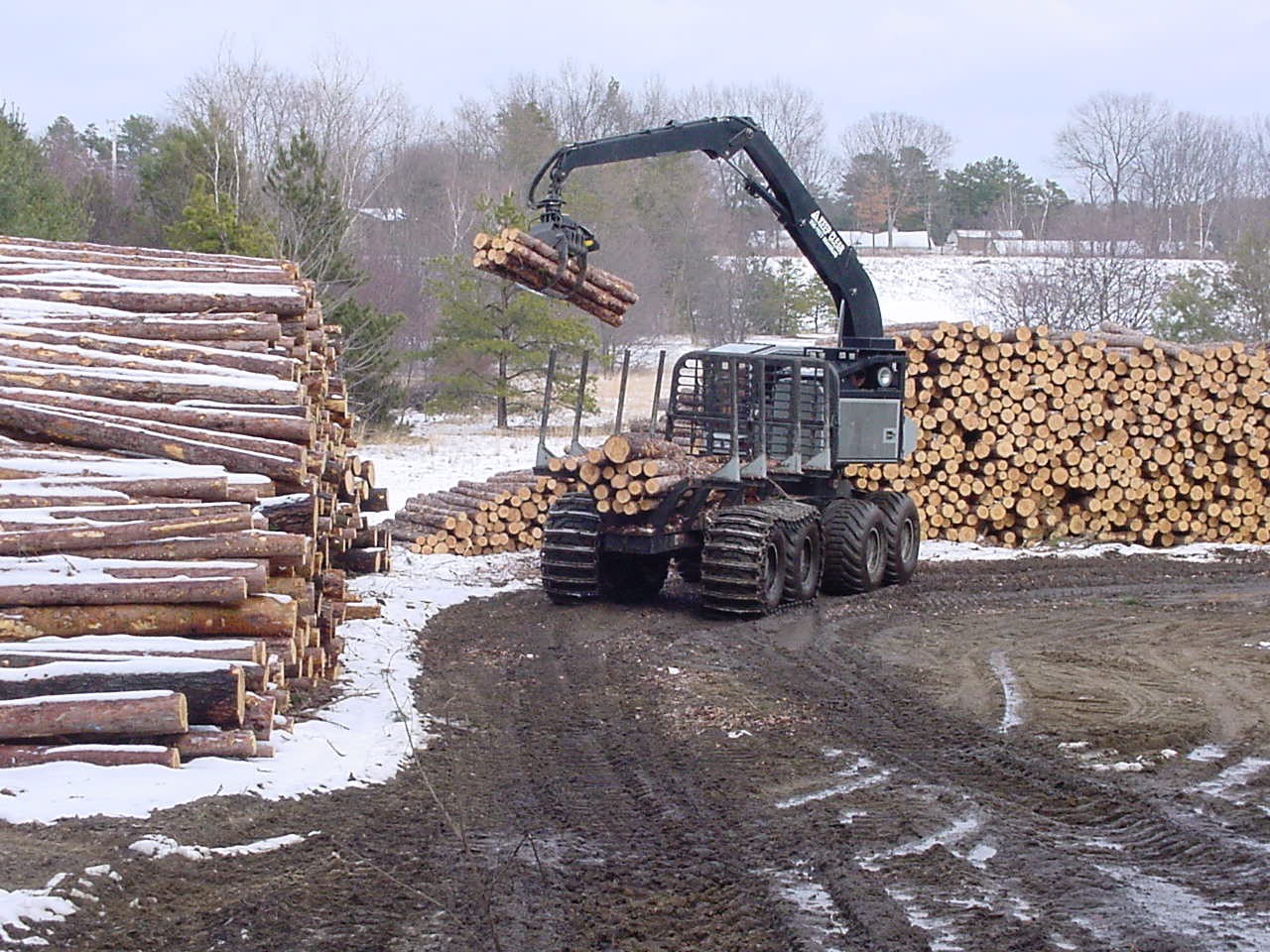
Dave Kittredge, a Harvard Forest Bullard Fellow this year, brings experience in forestry, coupled with social science research background, to contribute to an improved understanding of humans in forest landscapes, specifically from the standpoint of forest management, harvesting, and ownership.

Kittredge serves on the faculty in the Department of Environmental Conservation at UMass Amherst, and co-directs the Family Forest Research Center, a joint venture between UMass and the USDA Forest Service. Kittredge will be collaborating with HF ecologist Jonathan Thompson on further development of the Future Scenarios of Forest Change project, explicitly identifying the role of forest management decision-making, and how the multiple and unrelated actions of thousands of different private owners collectively influence future trajectories of forest in the northeast.

Some of their current work, for example, has identified that forest owners are often indifferent to the timber marketplace, and harvest randomly based on financial need, rather than waiting until the price is high. There are thresholds, however, beyond which owners do respond to a price stimulus.

“Harvard Forest is an excellent opportunity for collaboration,” Kittredge says, “because the scientists who model forests into the future recognize the value of including human behaviors and decision-making. I’m excited to take forest management data and expand it regionally through the landscape, and ahead into the future.” 

(Photo by Dave Kittredge.)

Registration Open: Schoolyard Summer Institute for Teachers

The 12th annual Schoolyard Ecology Summer Institute for Teachers will be held at Harvard Forest on Thursday, August 20. All teachers of grades 4-12 are welcome to register.

Through field walks and presentations led by Harvard Forest ecologists, attendees will learn how to implement field studies of local ecosystems, invasive species, and/or global climate change with their students in their own schoolyards. The projects align with state and NGSS science standards and incorporate real hands-on science practice and data analysis.

A $50 registration fee includes all field and project materials, plus optional follow-up workshops throughout the school year. PDPs will be awarded to all attendees.

The Harvard Forest Schoolyard Ecology Program is supported by the National Science Foundation’s Long-Term Ecological Research Program.

2015-2016 Charles Bullard Fellows Announced

We are pleased to announce the Harvard Forest Charles Bullard Fellows for 2015-2016. The mission of the Charles Bullard Fellowship Program is to support advanced research and study by individuals who show promise of making an important contribution–either as scholars or administrators–to forestry and forest-related subjects, from biology to earth sciences, economics, politics, administration or law. 

FELLOW INSTITUTION RESEARCH AREA
Robinson Fulweiler Boston University The role of forests in the export of Silica from land to aquatic ecosystems
David Kittredge University of Massachusetts–Amherst How landowner decisions influence future landscape change
Martha Lyman   Science, economics and design of a natural infrastructure investment program
Jason McLachlan University of Notre Dame Integrating long-term ecological data into ecosystem models
Rose-Marie Muzika University of Missouri The role of insects and disease in forest succession
Yude Pan USDA Forest Service Impacts of elevated CO2 and disturbances on terrestrial ecosystems
Joshua Rapp University of California Interactive effects of climate, land-use and intensified sugar bush management on the New England maple syrup industry
Robert Scheller Portland State University Climate adaptation policies and implementation for U.S. forests

Browse highlights of current Bullard Fellows: 

Study: Diverse Soil Community Key to Climate Protection

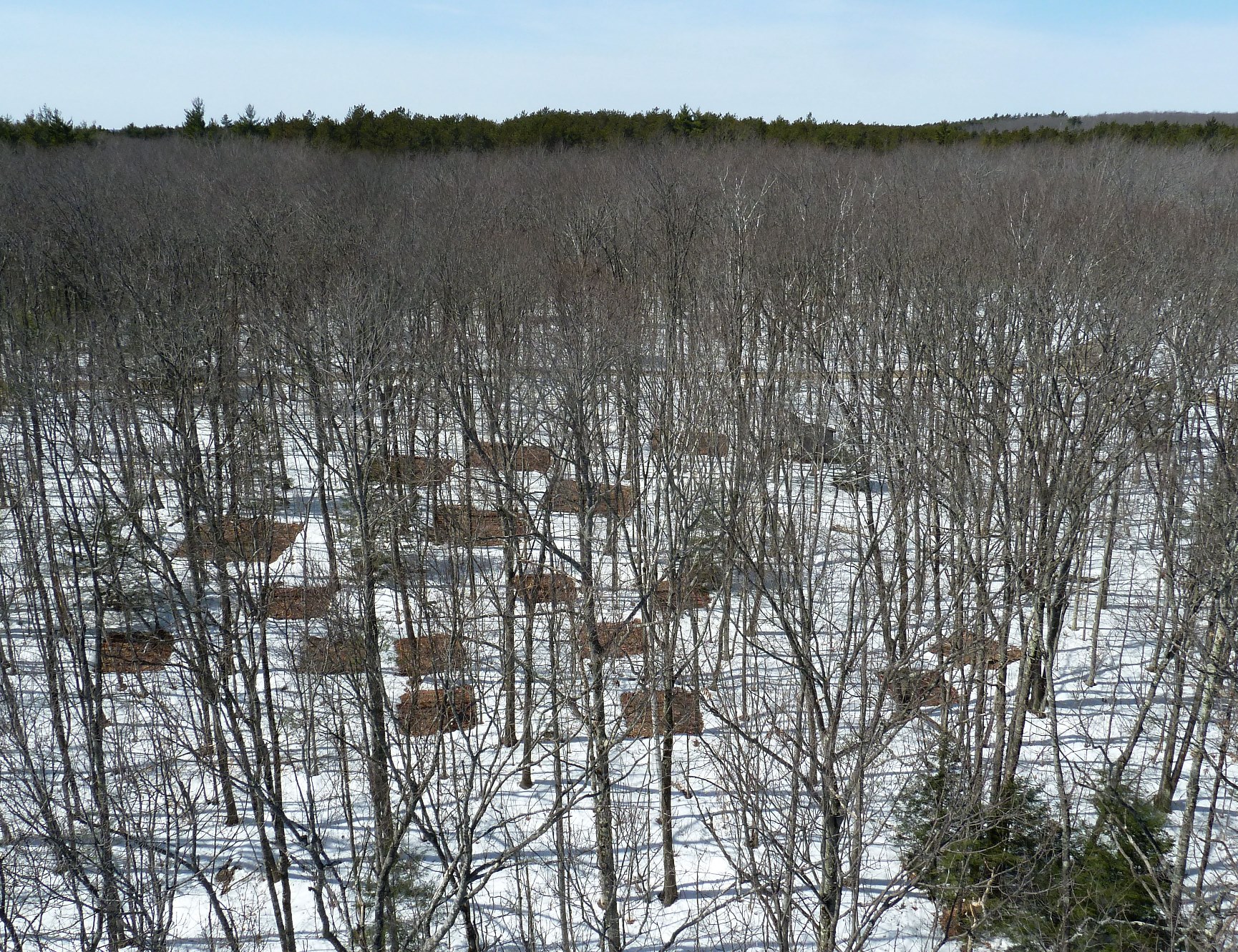
As soil microorganisms decompose plant and animal material, globally, they release 10 times more greenhouse gases to the atmosphere than humans do. A warming climate and increased nitrogen pollution accelerate this process, triggering the release of even more greenhouse gases. New results from the Forest’s long-term soil warming experiment, published last week in the Proceedings of the National Academy of Sciences, reveals how a diverse soil community plays a crucial role in regulating climate change, because larger soil invertebrates – like pillbugs – feed on the specific class of microbes that are releasing most of the carbon.

The research was an international collaboration including Harvard Forest and University of New Hampshire scientists Serita Frey and Linda van Diepen.

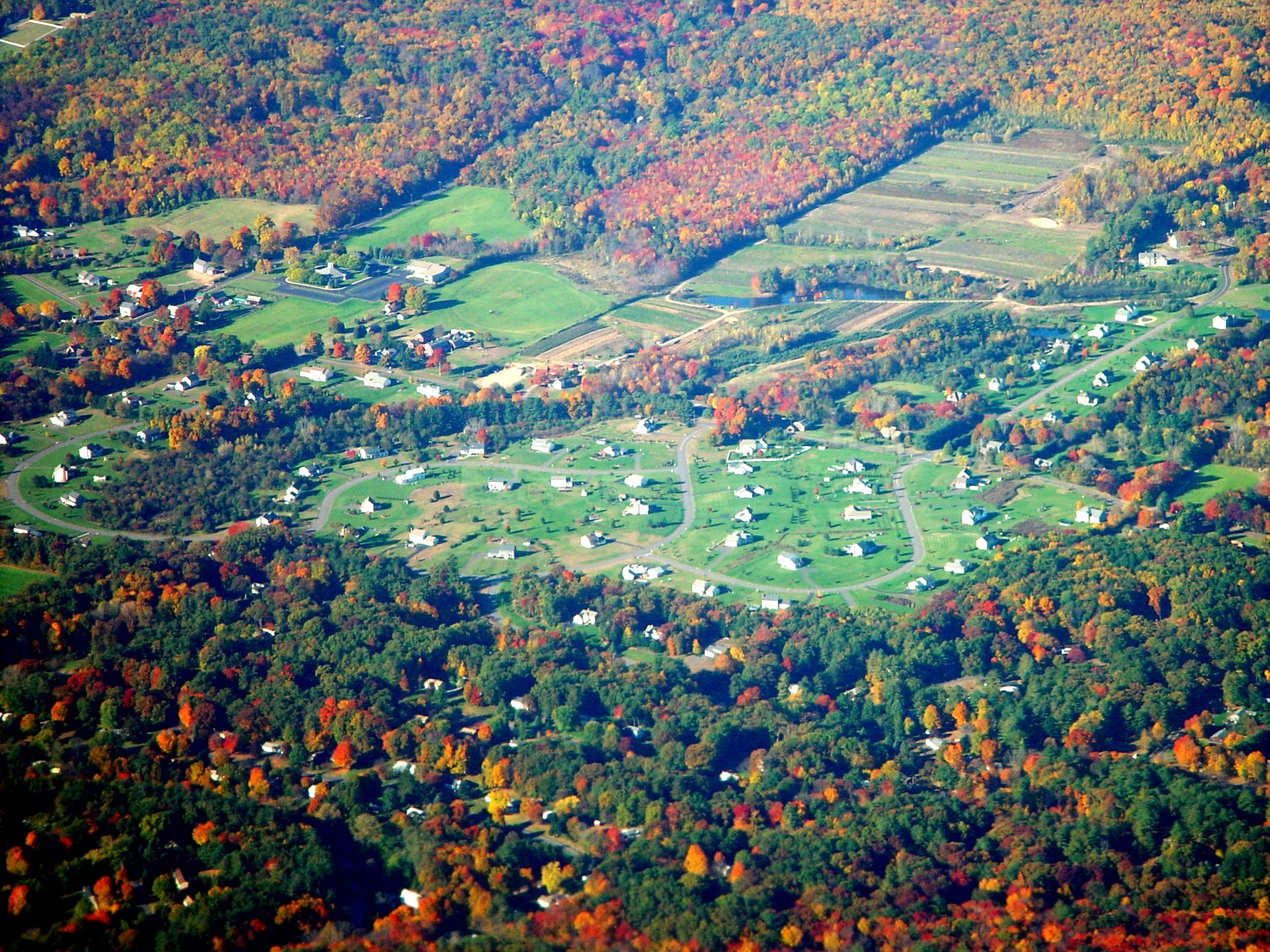
(Photo of HF’s long-term soil warming research plots by Audrey Barker Plotkin.)

Film Shows the Story of Climate Change, Told By One Tree

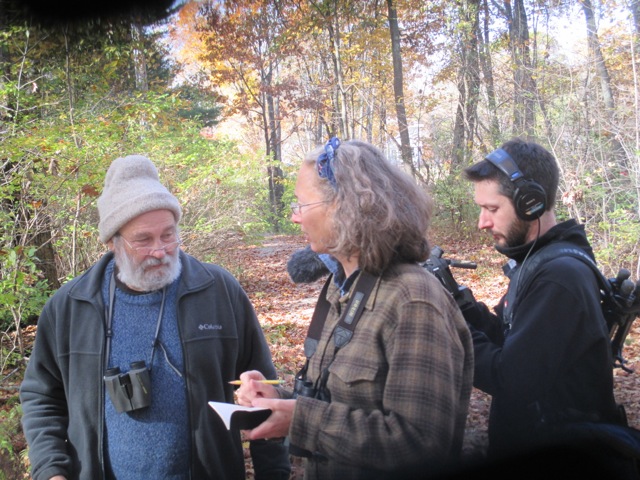
During her Bullard Fellowship at the Forest, journalist Lynda Mapes has been taking a long look at a single tree: a tagged, tracked, 100-year-old red oak. A new short film by Patrick Wellever and colleagues from the Knight Science Journalism program at MIT highlights the project and Mapes’ forthcoming book, Witness Tree.

In the film, the tree’s seasonal year is captured in time lapse photography constructed from images made by a webcam the Knight program installed expressly for this project. 

“The video allows readers to meet the tree for themselves,” reflects Mapes, “to see it in the forest as the wind blows, the snow falls, and its first leaves come out. The film also introduces some of the other characters in the story — scientists at the Harvard Forest working to understand how the forest and the tree are changing because of climate change. Getting to know one familiar, even beloved, living thing well, helps me tell what can otherwise become a very abstract story.” 

The film crew visited the Forest over the course of 5 months, climbing the tree right along with Mapes, and following researchers on field excursions.

“The book definitely benefitted from the making of the film,” says Mapes. “I found every time I needed to tell the story to someone else, it helped me shape the narrative I’m building.”

HF Schoolyard Ecology Teachers Earn Top Honors

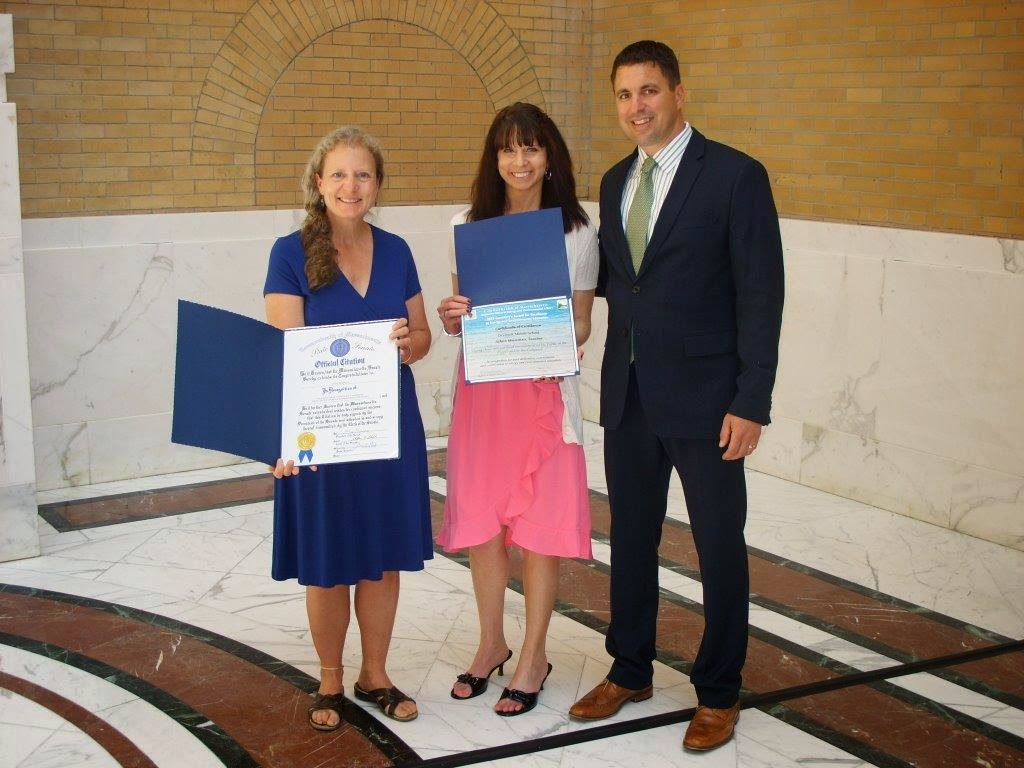
For over a decade, K-12 teachers in the Harvard Forest Schoolyard Ecology Program have been working with scientists to incorporate hands-on field science into their classrooms. This year, two of our 72 active teachers were honored at the Massachusetts State House for excellence in environmental education.

Teacher Joann Mossman was one of only six teachers in the state to win “First Honors” at the ceremony. She and her students at Overlook Middle School have been collecting data for the Forest’s Buds, Leaves, and Global Warming study since 2009. Bolstered by participation in multiple data workshops at the Forest, she now works with her students to download and graph their own data, looking for patterns or trends in the length of the growing season. Along the way, they have learned about identification characteristics and seasonal changes in their own adopted trees.

Teacher Sharon McDonald of Athol High School has participated in the Forest’s Our Changing Forests study since 2013. She was the only high school teacher in the central/western part of the state to receive the State award this year. 

Congratulations to Joann and Sharon, and a big thanks to all 72 of our active teachers this year for their fantastic work bringing students outdoors to learn!

Bullard Spotlight: Diana Tomback and Foundation Species Loss

Diana Tomback, Professor and Associate Chair of Integrative Biology at the University of Colorado-Denver, has had a unique, two-phase Bullard Fellowship. She spent the winter in HF researcher Andrew Richardson’s lab on the main Harvard campus, learning new approaches to assessing the impacts of global change at the forest and global scale.

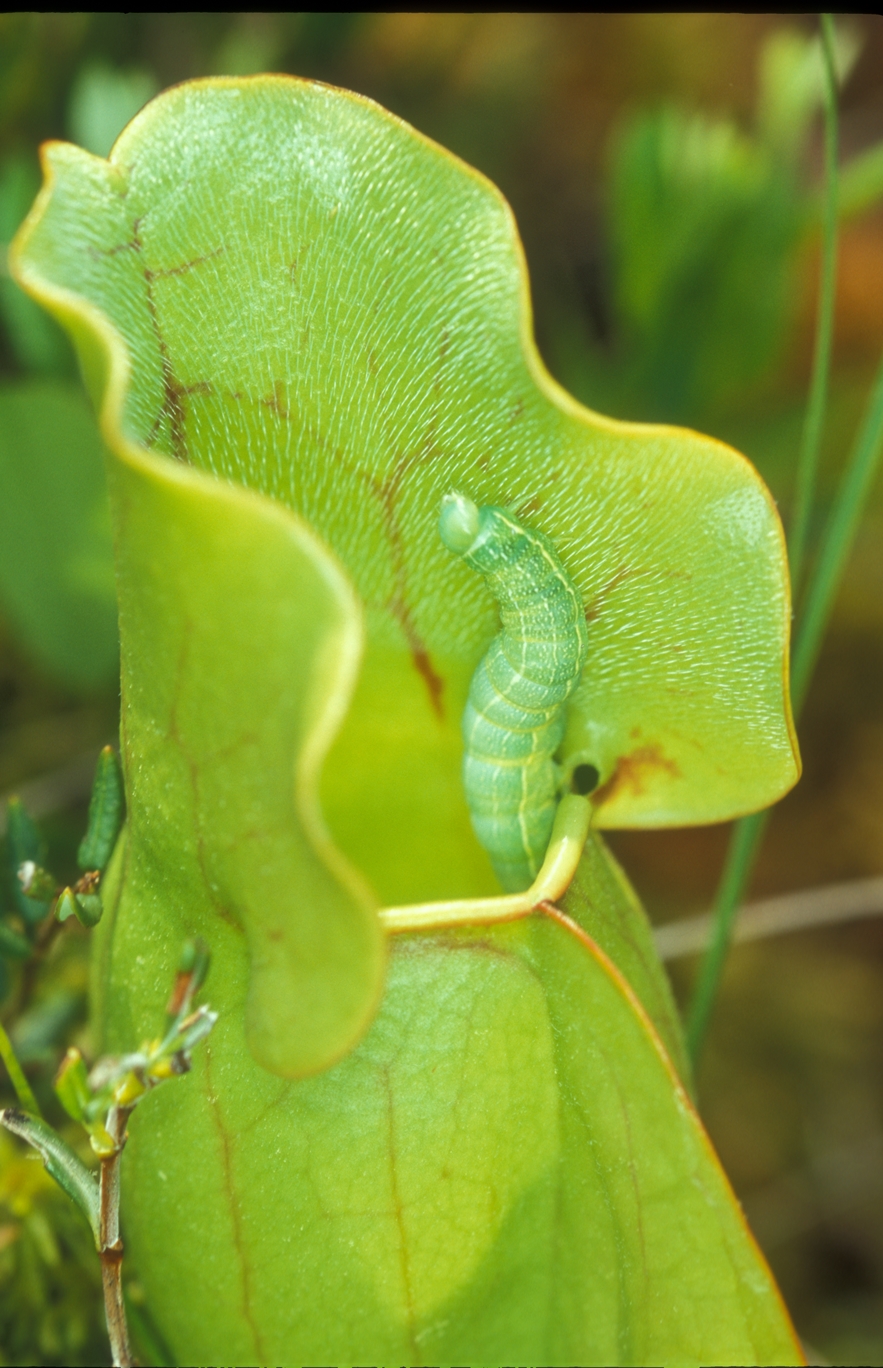
This summer, she’s at the Forest collaborating with HF Senior Ecologist Aaron Ellison to study the specific impacts of the invasive hemlock woolly adelgid on eastern hemlock ecosystems.

The eastern hemlock ecosystem presents a parallel to the system that Tomback regularly studies out west: whitebark pine, and its now-widespread pathogen, white pine blister rust.

“The major challenges to global forest health in the 21st century are climate change and ongoing exchange of pests and pathogens around the world,” says Tomback. Her recent work has examined the consequences of population declines in whitebark pine in the Rocky Mountains, including reduced likelihood of seed dispersal by Clark’s nutcrackers, changes in treeline forest composition and structure, and the loss of ecosystem services and foundation functions.

At Harvard Forest, she hopes to work collaboratively to advocate for attention to these declining foundation species and the adverse changes underway in our North American forests.   

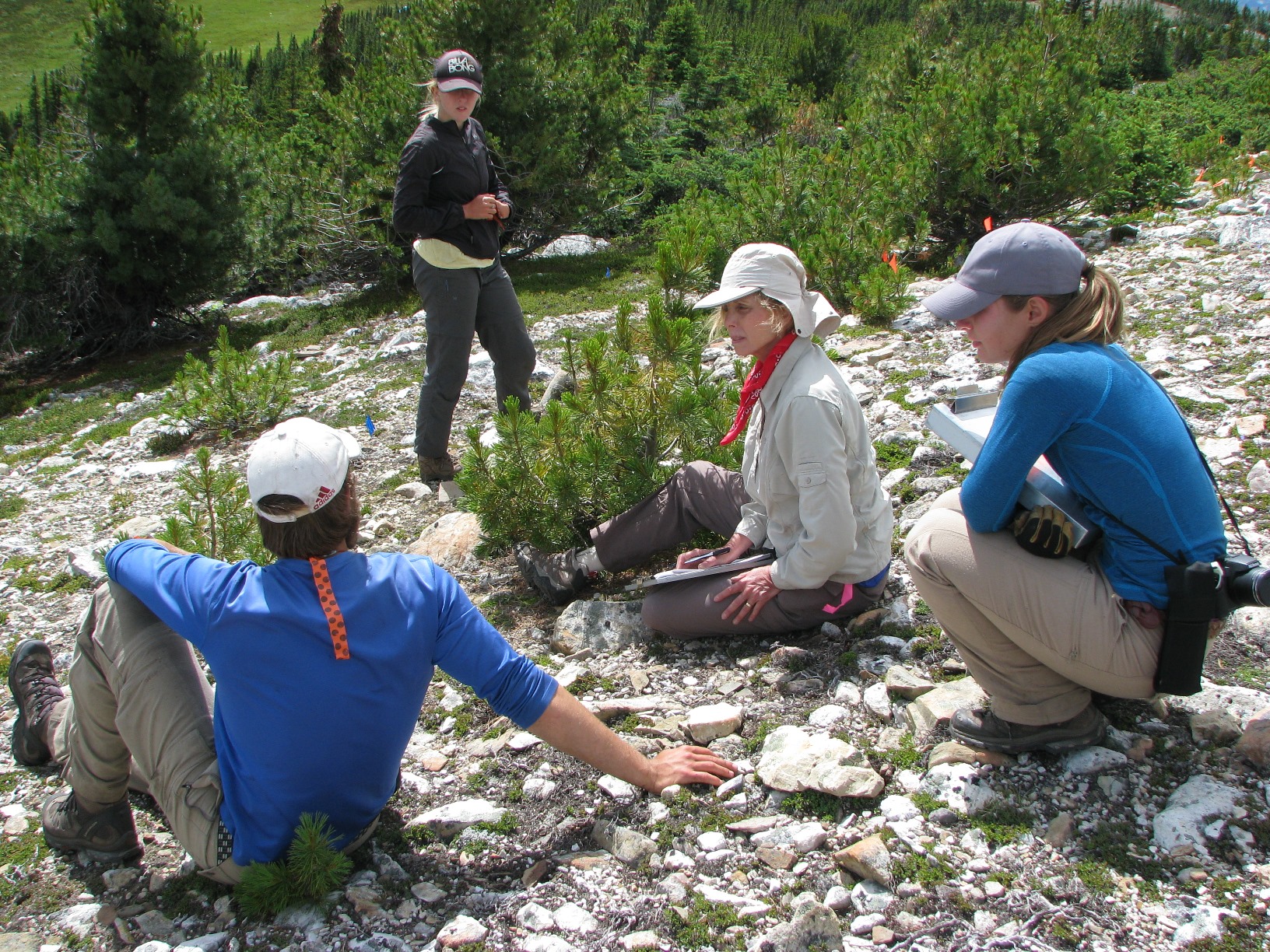
(Photo by Marge Meijer shows Tomback’s whitebark pine research team at work in Alberta, Canada.)

New Study: Ecosystem Hotspots Increasing in Mass.

All land is not created equal.  Ecosystem “hotspots” do triple duty in the benefits they provide to society. A new study published today in the Journal of Applied Ecology reports that the number of ecosystem hotspots has increased in Massachusetts over the past decade, with more and more hotspots popping up in metro Boston. But, the study points out, more hotspots may not be a good thing.

The study authors, Harvard doctoral student Meghan Blumstein and HF senior ecologist Jonathan Thompson, attribute the increase in hotspots to a degradation of ecosystems across Massachusetts. Over the 10-year study period (2001 to 2011), urban development increased by more than six percent, at the expense of forests and agricultural lands. 

Using satellite maps, the team tracked changes in land cover – such as forest clearing for agriculture or development – across Massachusetts, 30 meters at a time. In each 30-meter grid square, they applied computer models to assess which benefits each ecosystem could provide, and how those benefits changed over time.

They found that some benefits, like wildlife habitat for ground species, declined state-wide over the study period. But benefits like carbon sequestration and outdoor recreation increased, because intact forests are growing rapidly, and more land is being conserved and made available for outdoor recreation like hiking and hunting.

Watch the video by study author Meghan Blumstein: