Study: Snowfall Linked to Tree Growth and Function

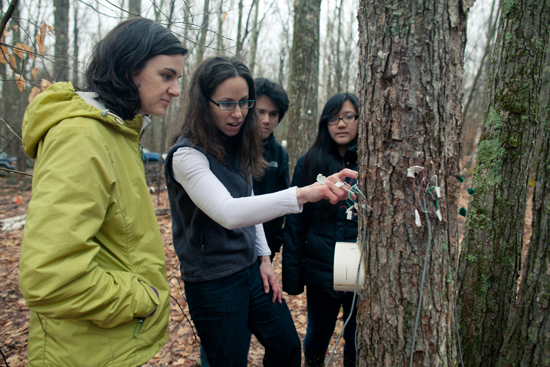
Snowfall affects forest tree growth and function well beyond the winter season, says a new study of a dozen Harvard Forest red oak and red maple trees, recently published in the journal Ecosystems.

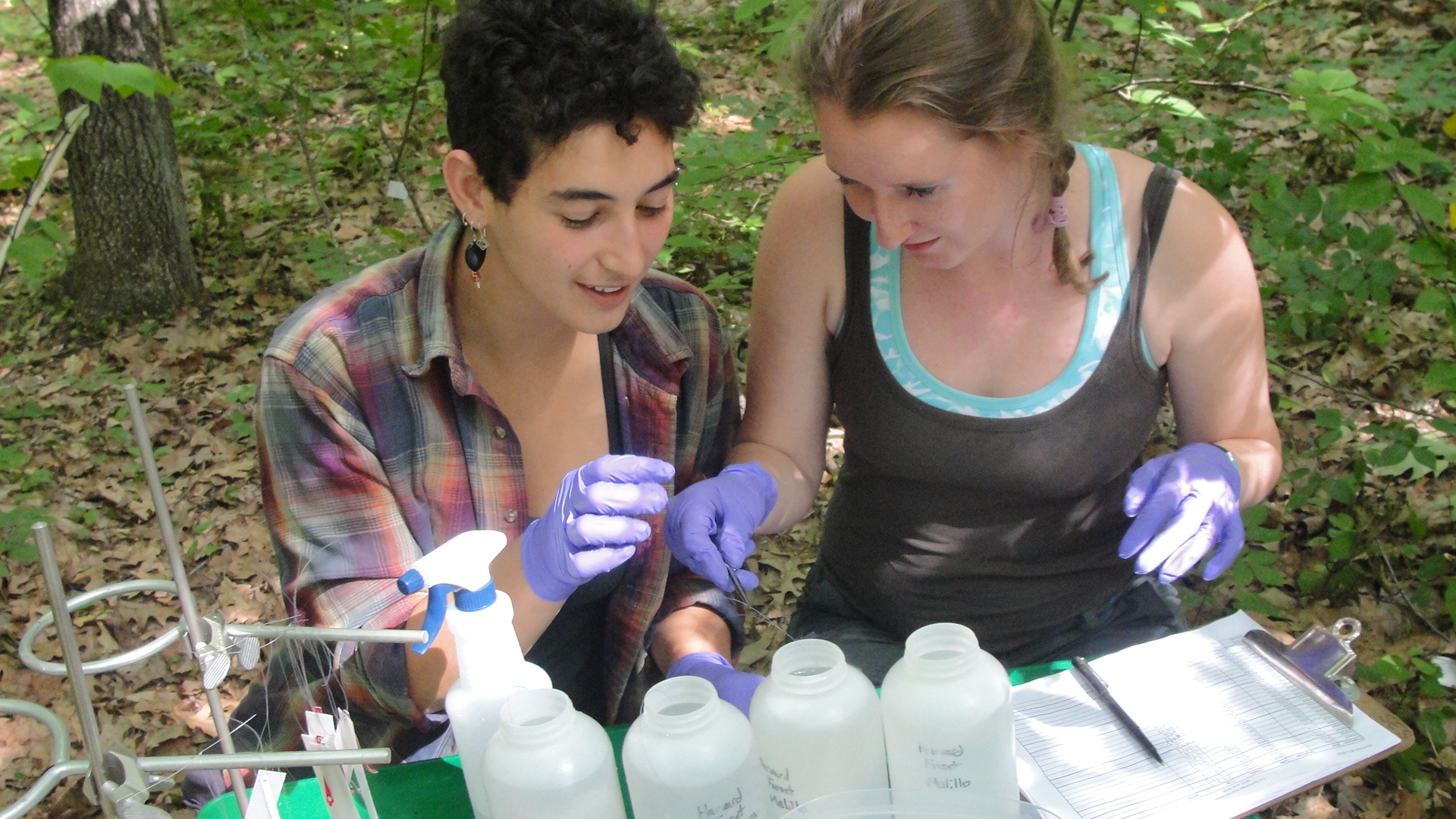
The study authors, Andrew Reinmann and Pamela Templer, both from Boston University, found impacts above- and below-ground when they removed snow from the ground in the study area, allowing the top layer of the soil to freeze.

As a result of the freeze, there were fewer living tree roots the following spring. Surprisingly, red maples affected by the freeze grew more in diameter, but also released far more carbon dioxide from their trunks and branches.

 (Photo by Melody Komyerov courtesy of Boston University)
New Trail and Virtual Tour

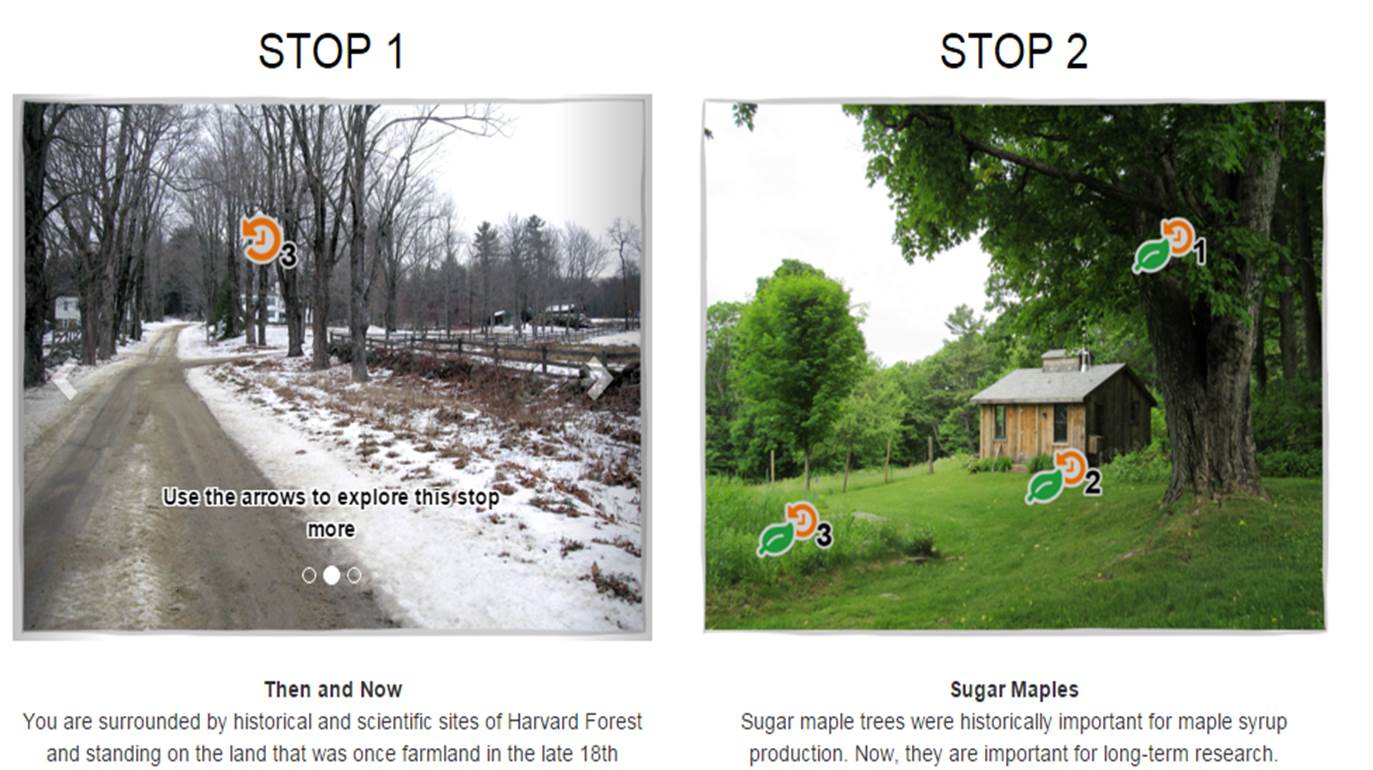
The Forest’s newest interpretive trail, the French Road Trail, is now open to the public. The trail begins outside the Fisher Museum on Prospect Hill Road, and is available as a brochure and virtual tour.

The tour covers many facets of history and ecology, including remnants of an 18th century inn, several long-term field experiments, a vernal pool, and the Forest’s oldest living tree – a 420-year-old black gum.

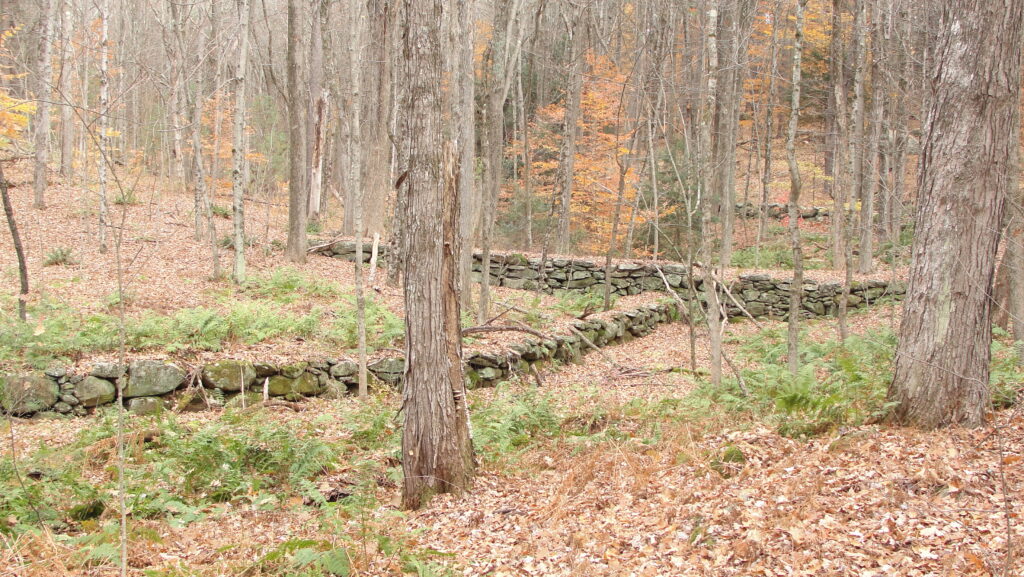
stone walls in a forest
Stonework seen from the French Road Trail.

Harvard Forest trails are open 365 days a year. Walking, skiing, and pets are all permitted on the French Road trail.

The virtual tour was created by Harvard student Caroline Juang during a winter internship at the Forest, with support from the Harvard Office of Career Services.

Harvard Forest to Co-Present Conservation Award

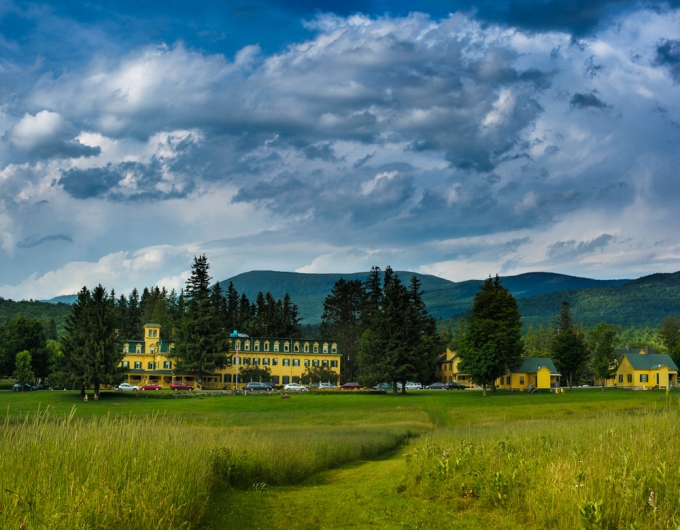
Academics for Land Protection in New England (ALPINE), a land conservation network based at the Harvard Forest, will present the Charles H.W. Foster Award for Exemplary Academic Leadership in Land Conservation on February 22 to recognize Middlebury College’s protection of its 2,100-acre Bread Loaf Campus in Vermont.

The new award honors Charles H.W. Foster, the distinguished conservation leader and mentor who passed away several years ago. 

Middlebury was selected for the award based on three criteria: “the outstanding effort to protect a landscape of high environmental and cultural significance; the high level of engagement of all stakeholders; and the far-reaching and lasting impact on the integrity and connectivity of conserved landscapes.”

The award event, to be held at Harvard Kennedy School, will be co-sponsored by the Harvard Forest, Harvard Kennedy School’s Energy and Natural Resources Program, Harvard Kennedy School’s Center for Public Leadership, and the Lincoln Institute of Land Policy.

The event will feature comments from HF Director David Foster, Henry Lee (Director of the Environment and Natural Resources Program at Harvard Kennedy School) and James Levitt (Director of the Program on Conservation Innovation at the Harvard Forest and Manager of Land Conservation Programs at the Lincoln Institute of Land Policy). Accepting the Award on behalf of Middlebury College will be Middlebury President Laurie Patton. Following Dr. Patton’s comments, Nan Jenks-Jay, Dean of Environmental Affairs at Middlebury, will offer a brief overview of the Bread Loaf initiative and its impact.

(Photo of Bread Loaf campus courtesy of Middlebury College)

Bullard Spotlight: Peter Thomas on Applied Tree Biology

Bullard Fellow Peter Thomas, a plant ecologist from Keele University in England, has spent his 6-month residency at the Forest co-writing a textbook, Applied Tree Biology, aimed at helping land managers make wise decisions about tree care. The book covers how trees should be chosen, planted, pruned, and maintained into old age, based on a sound understanding of how trees work.

He has also written two monographs that bring together all that is known about the biology and ecology of two European trees: the European ash (Fraxinus excelsior ), currently threatened with extinction from a ‘dieback’ fungus and the emerald ash borer; and the Wild service tree (Sorbus torminalis), now a rare tree, once known as having the world’s most beautiful wood. These monographs are aimed at informing science and policy efforts to save these trees.

Thomas first came to the Forest 11 years ago: “The work I started here took me 10 years to finish, so it was time to return!” He says he chose Harvard Forest “firstly, because there is always someone here who can help answer the most difficult or obscure questions on tree biology.” He adds, “Being here gives me access to the magnificent libraries here and in Cambridge – a resource unparalleled elsewhere. Finally, it gives me the time to read, think and write without interruption, a very rare luxury in academia.” 

The Great Flight North

Migratory songbirds, commonly seen in Harvard Forest woodlands in spring and summer, spend their winters thousands of miles south in Central and South America searching for food.

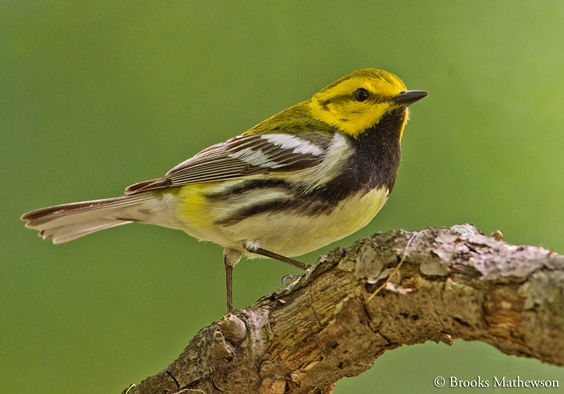
A recent article in Massachusetts Wildlife by Brooks Mathewson, a graduate of HF’s Master’s in Forest Science program, chronicles the journey of one male Black-throated Green Warbler as he travels from his non-breeding habitat in the forests of Costa Rica to his birth home, an Eastern Hemlock-dominated forest along the Swift River.

The article discusses the many obstacles faced by songbirds during their migration and provides biological insight into their monumental flight. Brooks’ photography of migratory warblers is featured in the article.


New Cameras Give Glimpse of Harvard Farm

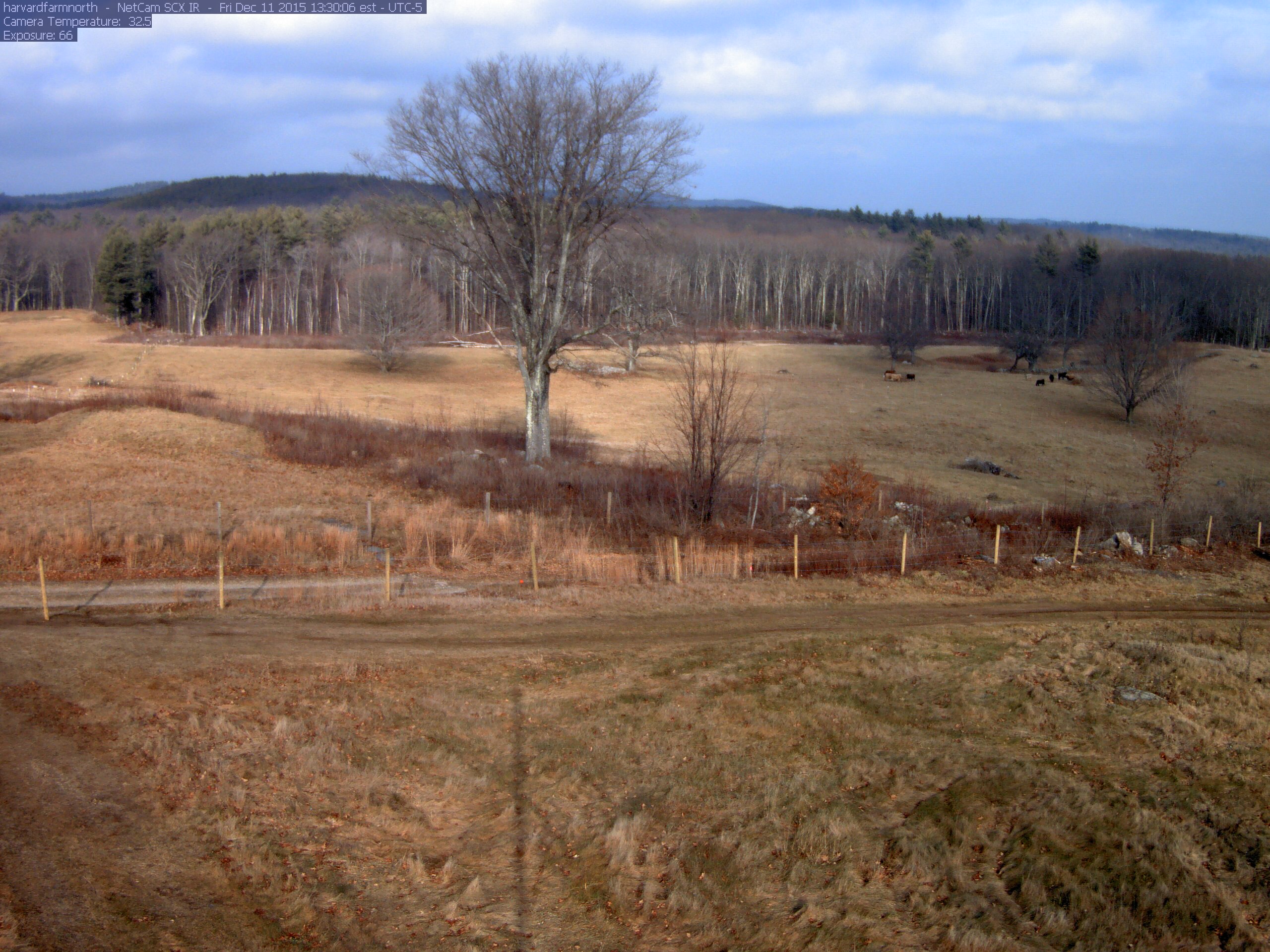
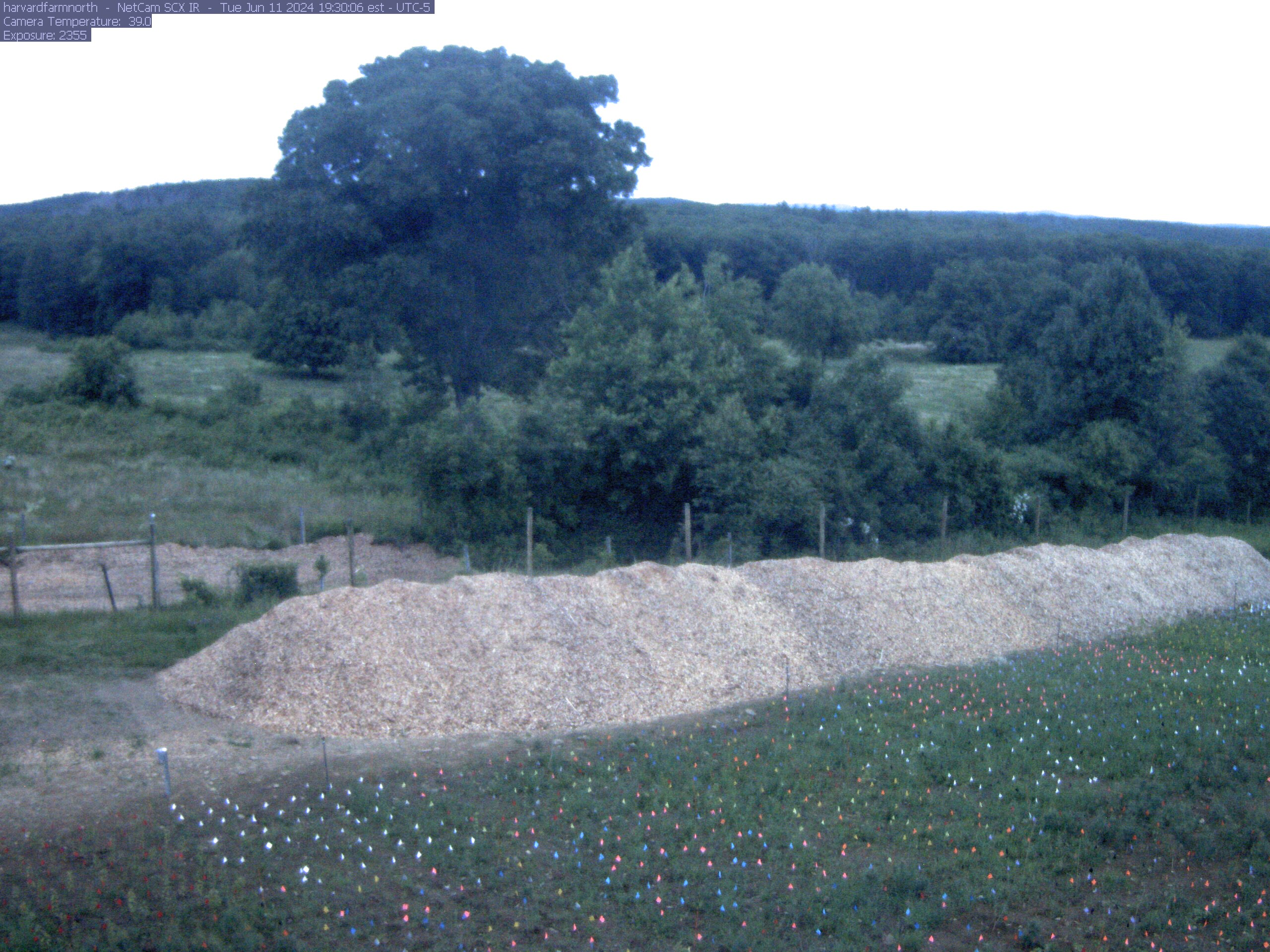
Two research webcams (north, south) now aid the study of seasonal change on the Harvard Farm, Harvard Forest’s newest research site and a valuable haven for biodiversity in a region dominated by maturing forests. The cameras and electrical work were supported by a grant from the National Science Foundation’s Long-Term Ecological Research program.

The Petersham Country Club, as the land was formerly known, had been managed for nearly a century as a golf course. Without mowing and watering, after purchase by Harvard Forest in 2013, the land quickly became a meadow. Within two years, migratory bobolinks were nesting in overgrown fairways.

A team of scientists from Harvard Forest and elsewhere, together with regional conservation groups and farmers, have developed a plan to study plant and wildlife dynamics in this working landscape where cattle graze, trees are harvested, and hay is cut after nesting season.

The HF Woods Crew fenced the property, and local farmers now graze small herds of cattle, following two experimental grazing methods: traditional and intensive rotational. 

In a grid of 27 long-term study plots, scientists track changes in vegetation and soil carbon/nutrients across the property. Additional studies on butterflies, birds, and other species are planned for the coming years.

In 2014, longtime Harvard Forest research collaborator Glenn Motzkin inventoried the vascular plants on the Farm, identifying 364 species—31 not previously documented on Forest property—bringing the total plant species count at Harvard Forest to 840.

Seeing the Landscape in Landscape Art

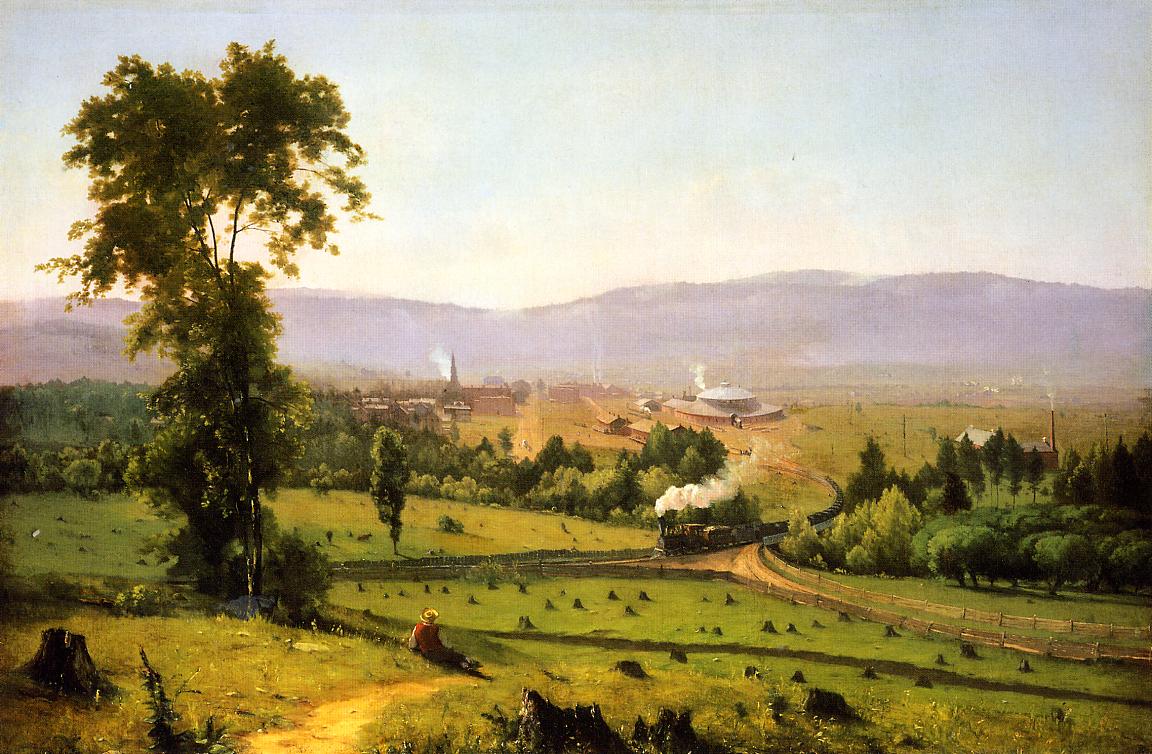
A new paper by ecologist and Harvard Forest collaborator Ed Faison (of Highstead) explores how the ecology and land-use changes of the 19th-century American landscape are revealed in paintings from that period.

Using examples from Hudson River School artists, Faison discusses subtle evidence of forest clearing and composition, shifts in wildlife populations, and the remnants of old growth forest.

(Painting by George Inness, “The Lackawanna Valley,” from the National Gallery of Art)

Applications Open: Summer Research Program for Undergraduates

UPDATE: Applications closed Feb 5, 2016.

Applications are now open for the 2016 Harvard Forest Summer Research Program, an opportunity for college and university students across the U.S. to participate in 11 weeks (May 23-August 5, 2016) of paid, independent research with mentors from Harvard and other leading institutions. 2016 research projects cover many academic disciplines, including ecology, biogeochemistry, computer science, social science, even art and history.

Research topics include the ecological dimensions of forest ecosystem disturbance, including global climate change and invasive species, as well as landscape scenario modeling, forest landowner decision-making, and the ecology of agricultural systems.

Participants are housed on site and, in addition to their research, attend career panels, evening workshops and seminars, and field trips. At the conclusion of the summer, they present their research at a final symposium.

Undergraduate students from all majors are encouraged to apply (deadline: February 5, 2016).

Harvard Forest and Partners Launch Science Policy Exchange Consortium

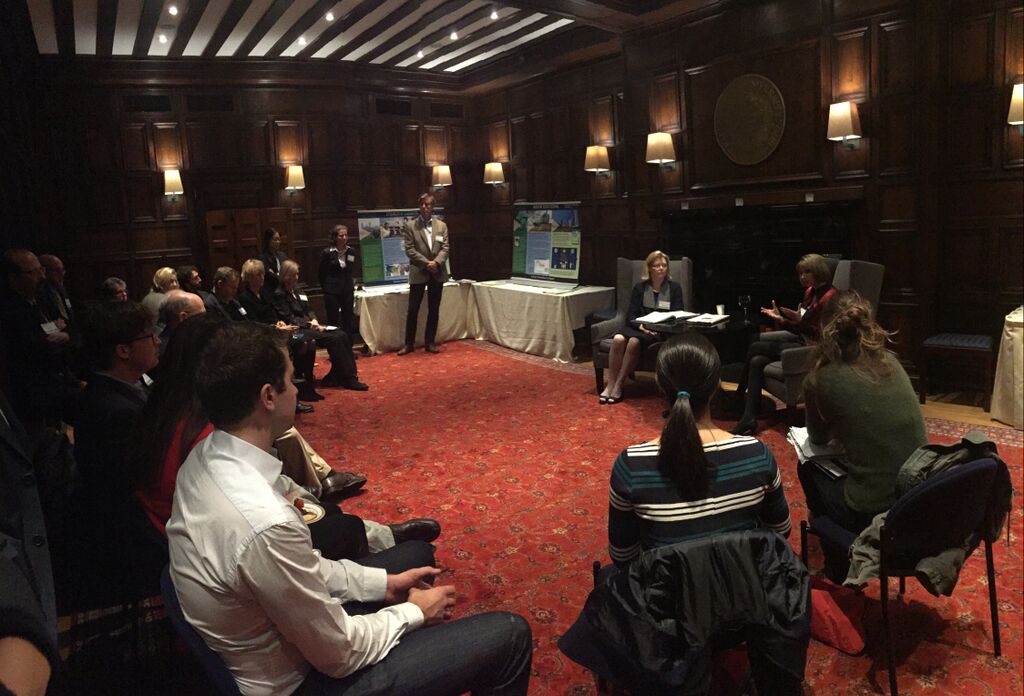
Harvard Forest joined with partners from five major research institutions on November 12 to host “Science for a Sustainable World,” an event to launch the Science Policy Exchange (SPE). SPE was founded with leadership from HF Director of Science and Policy Integration, Kathy Fallon Lambert, to increase the impact of science on environmental decisions.

The reception, held at Syracuse University’s Lubin House in New York City, showcased results from four new SPE projects in the core program areas of Energy Transformation, Resilient Landscapes, and Water Sustainability. Scientists involved in each project, including HF Director David Foster and HF Senior Scientist Jonathan Thompson, discussed the outcomes and impacts of their work with guests, who represented a range of government agencies, non-profits, research institutions, and foundations.

Marcia McNutt, Editor-in-Chief of Science, and the nominee for incoming President of the National Academy of Sciences, delivered remarks about the importance of investing in monitoring and research in a fireside conversation with SPE Governing Council Chair Sherburne Abbott of Syracuse University.

Fallon Lambert, the Director of SPE, spoke about the consortium’s mission and future directions. SPE project leader Charles Driscoll of Syracuse University spoke about his commitment to return value to society from science.

The six founding institutions of SPE are Harvard Forest, the Hubbard Brook Research Foundation, Syracuse University, the Cary Institute of Ecosystem Studies, the University of New Hampshire, and the Marine Biological Lab Ecosystems Center.

(Photo by by JoAnne Race)

Student Presents Research at National Conference

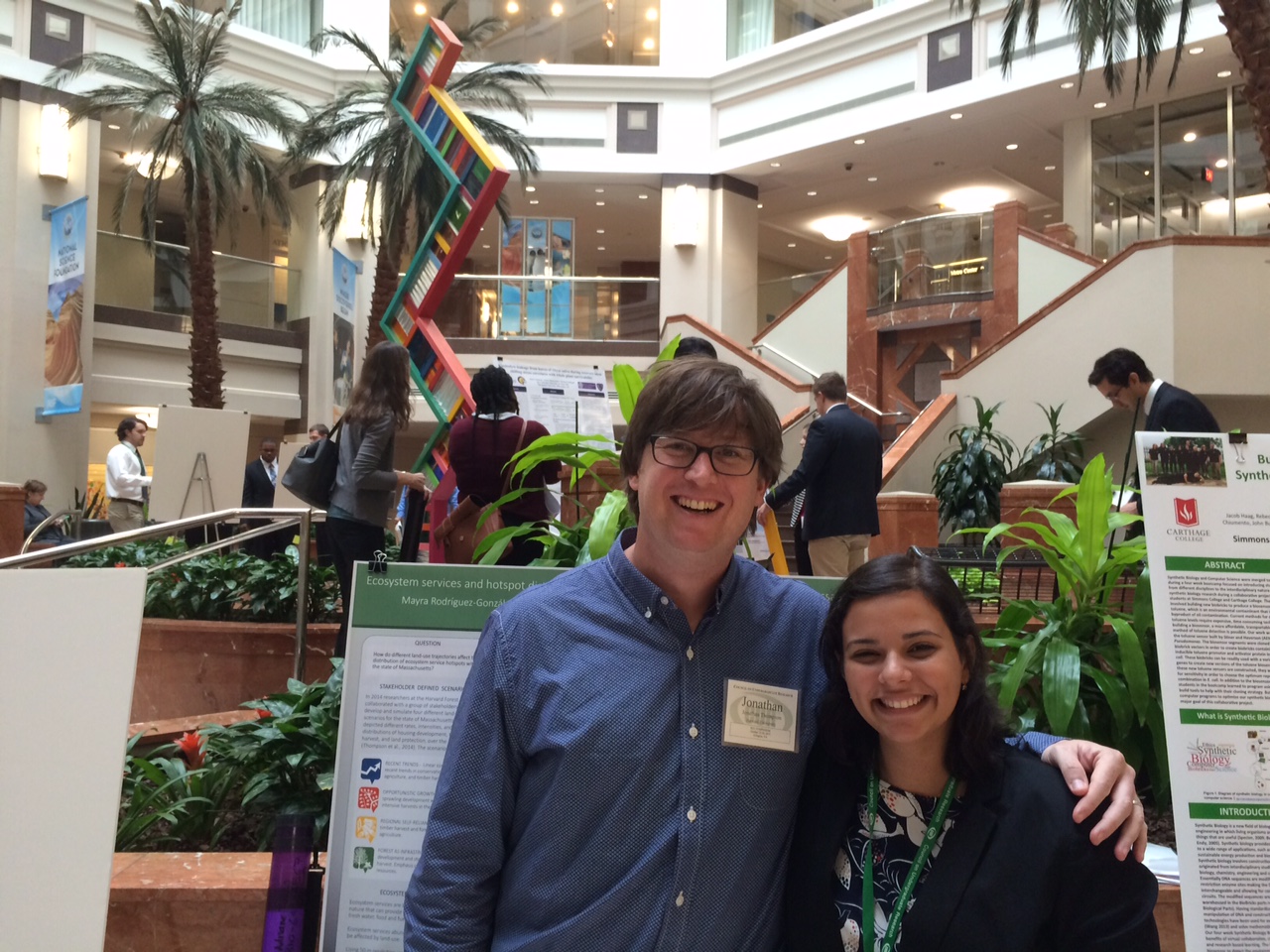
Mayra Rodríguez-González, a 2015 HF Summer Research Program student, recently presented her summer research results at the Council on Undergraduate Research’s annual Research Experiences for Undergraduates (REU) Symposium.

The symposium, held at the headquarters of the National Science Foundation (NSF) in Arlington, Virginia, featured presentations by students from REU programs in all disciplines and offered opportunities for students to meet with representatives from NSF.

Mayra, a senior at University of Puerto Rico–Bayamon, attended the conference with her summer mentor, HF senior ecologist Jonathan Thompson.

Winter Break Week at Harvard Forest

Update: Applications for the 2016 program closed on Dec. 11, 2015.

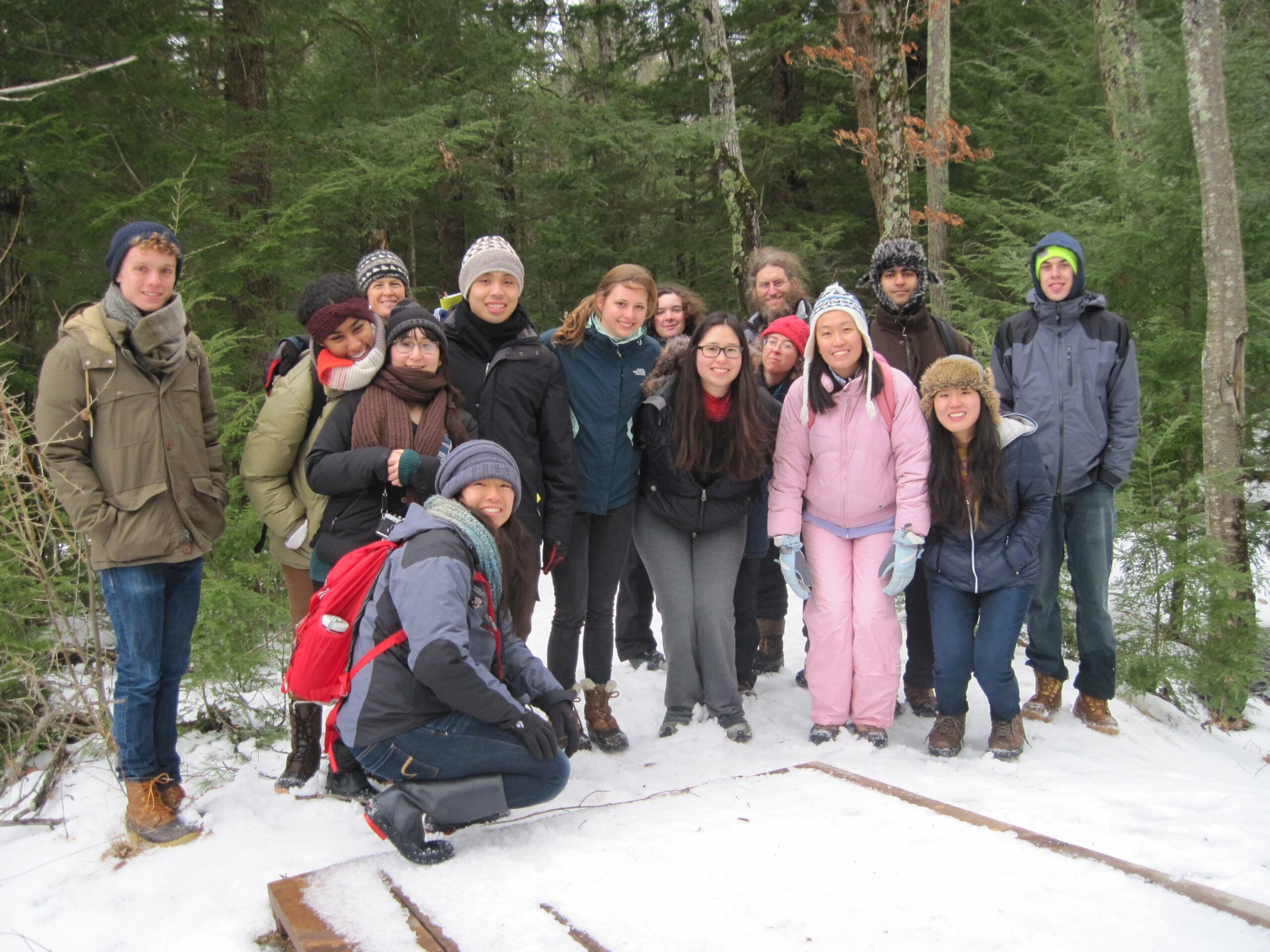
Applications are now being accepted for the 2016 Harvard Forest Winter Break Week (Jan. 17-22), an immersive, interdisciplinary opportunity for Harvard students to explore the Harvard Forest landscape. Daily hands-on workshops and field trips led by scientists, artists, and writers will offer students a variety of perspectives on real-world ecological and conservation topics. This program is made possible at no cost to students by funds from the Harvard Faculty of Arts and Sciences. All participants must attend for the full week. Harvard students (FAS undergrad and GSAS graduate) from all concentrations are encouraged to apply (deadline: Dec. 11). 

Study: Seedlings and Climate Averages

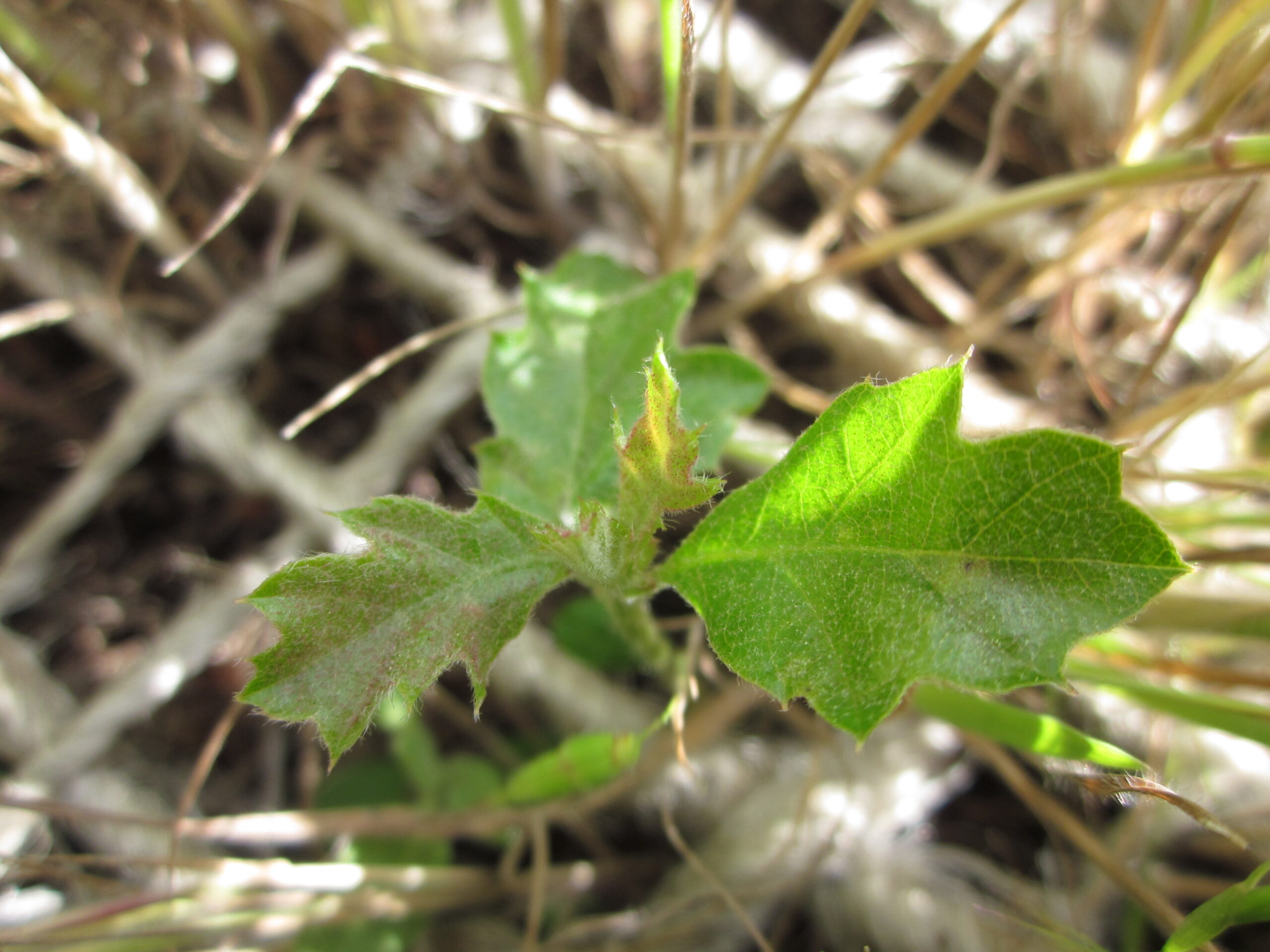
Environmental projections using averaged climate data may be underestimating the potential for new trees to get established, says a new study in the journal Ecography, led by HF post-doctoral fellow Pep Serra-Diaz. 

Tree seedlings pave the way for tree species to shift their ranges over time; they colonize new territories and ensure long-term population viability. Seedlings are also more sensitive to changing environmental conditions than mature trees. 

Serra-Diaz’s team used microclimatic modeling and an experiment on seedling survival to investigate how well seedlings survive in shorter-term climate windows. Their results showed that potential new areas of tree establishment may be overlooked in environmental projections if climate conditions are averaged, as they often are, over decades.

They recommend that projections of forest species distributions seek to better incorporate the nuanced ways trees experience climate in different life stages.