New Study Shows Foundation Species Have an Afterlife

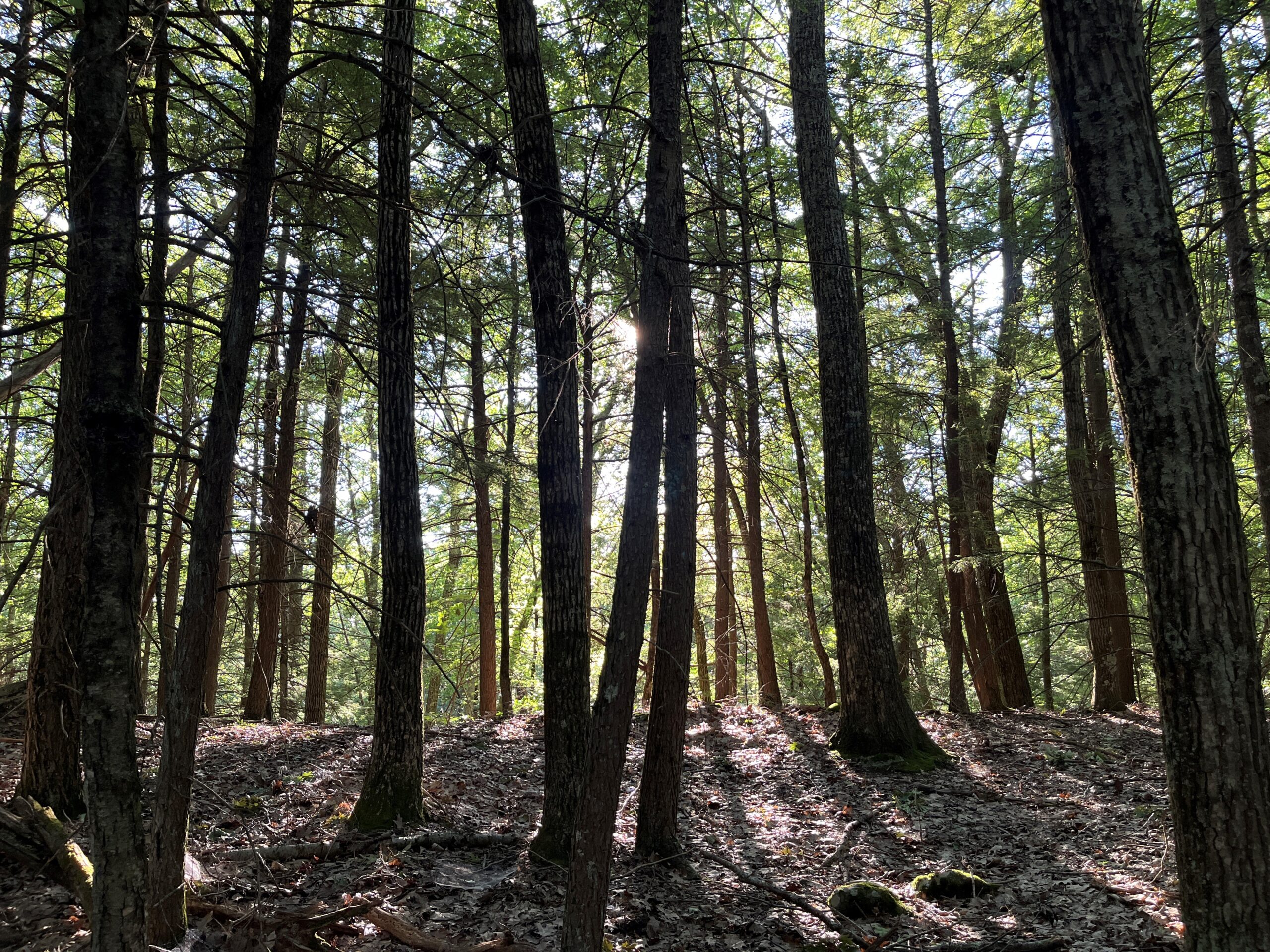
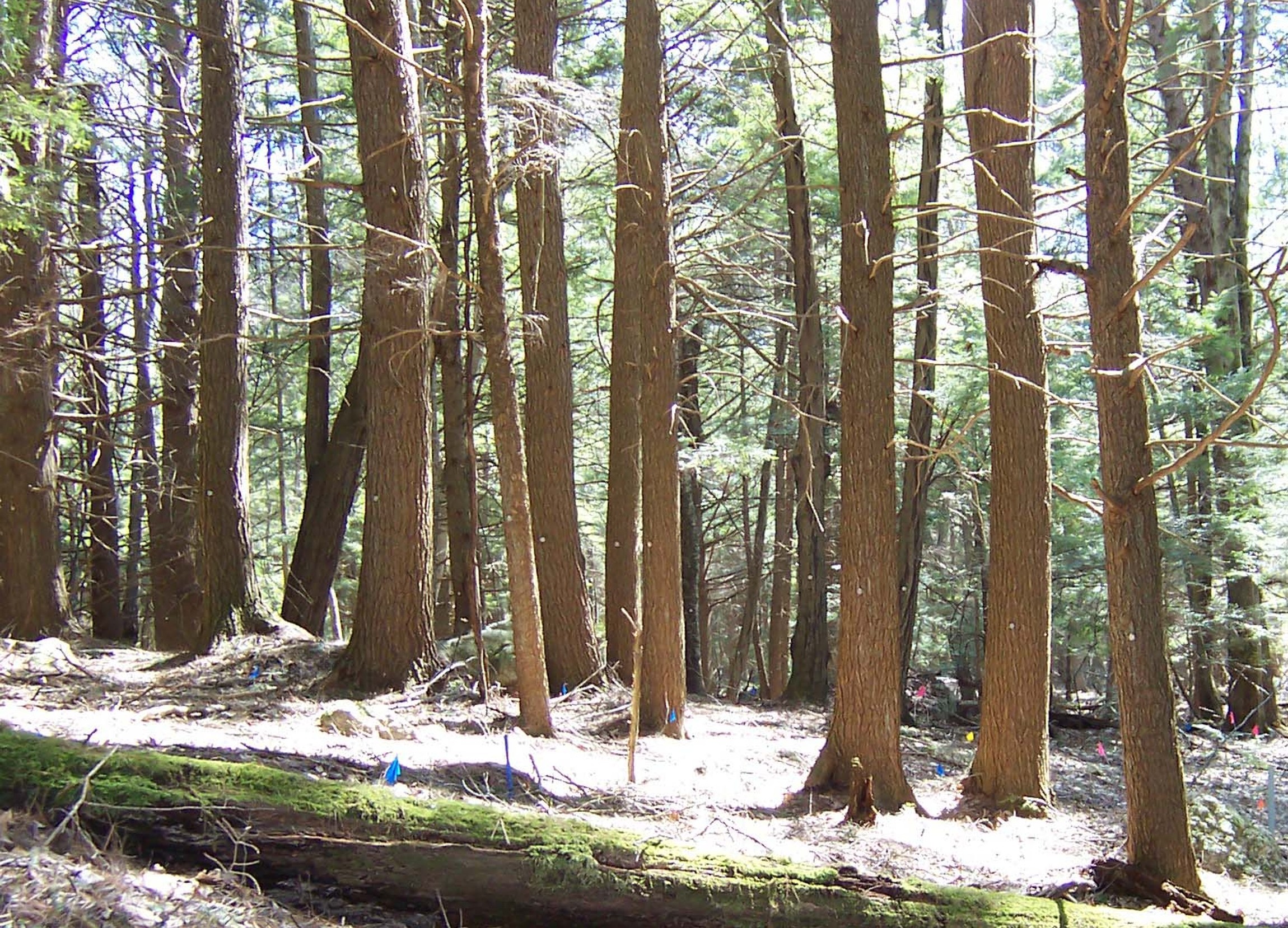
a row of hemlock trees, their trunks tagged with small metal ID tags, stand on the edge of a sunlit forest

Trees are foundational to the structure of an ecosystem while they are alive. But new research shows that when they die — due to extreme events like storms or wildfires — the physical remains of these species continue to shape the ecosystem. 

The study, published today in Science Advances, and co-authored by HF Senior Ecologist Audrey Barker Plotkin, focuses on “foundation species” – those that create habitats, protect against environmental stress, and control biodiversity.

Foundation species have been a subject of long-term study at Harvard Forest for decades, with the declining Eastern Hemlock tree (Tsuga canadensis) a core example in northeast US ecosystems.

Barker Plotkin explains, “Hemlock loss has cascading consequences for water cycling, soils, and habitat for fish, birds, and other wildlife. Our research shows that forest recovery differs when dying hemlocks are left in the forest versus removed, and this study asked a new question about how dead hemlocks help or hinder regeneration of new hemlock trees.”

In the study released today, a research team from around the Americas analyzed and combined datasets on foundation species from 10 diverse ecosystems, ranging from temperate and subarctic forests to tallgrass prairies and coral reefs. 

The team found that the remains of five foundation species promoted recovery. Standing dead eastern hemlock trees in long-term experiments here at Harvard Forest support the establishment of new saplings. Layers of old oyster shells provide the surfaces young oysters need to settle and grow on tidal flats. In subarctic forests, standing burned trees release seeds that help regenerate the forest. 

In Harvard Forest research plots, many more hemlock saplings establish in the shade of their dead elders than when those dead trees are removed. As Barker Plotkin points out, though, “Young hemlocks are still vulnerable to the insect pest that is causing hemlock decline, but the new saplings have a chance to persist while humans develop better methods to protect these trees.”

Four of the case studies in the new study showed that dead organisms slowed or prevented recovery. In tropical forests, fallen canopy debris can limit light and space, preventing seedling survival. One ecosystem, a kelp forest, showed a neutral response.

Letting nature recover on its own — when dead organisms promote regrowth — can reduce the need for expensive interventions, while targeted action can prevent long-term damage when legacies are harmful.

Read the full paper in Science Advances: Legacies of foundation species shape life after death.

Explore a piece by co-authors of the study in The Conversation.

(Photo of hemlock trees from the Harvard Forest Hemlock Removal Experiment, by Audrey Barker Plotkin)