March 12: Harvard Forest Annual Research Symposium (online and in person)

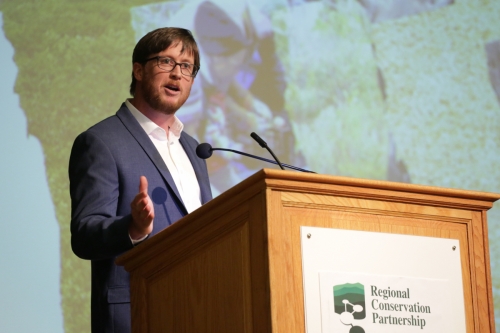
For 35 years, the Harvard Forest has hosted an Annual Ecology Symposium to bring together research collaborators to share progress and develop synergies.

This year’s Symposium, themed New Perspectives on Temperate Forest Ecology, will be held March 12, 2026, in the Harvard Forest Fisher Museum and also streamed publicly online.

In-person registration is full, but you can still register (free!) for the Zoom webinar.

Photo by Terry Dugan.
Registration Open: Spring Bus Trip for Harvard Community Members

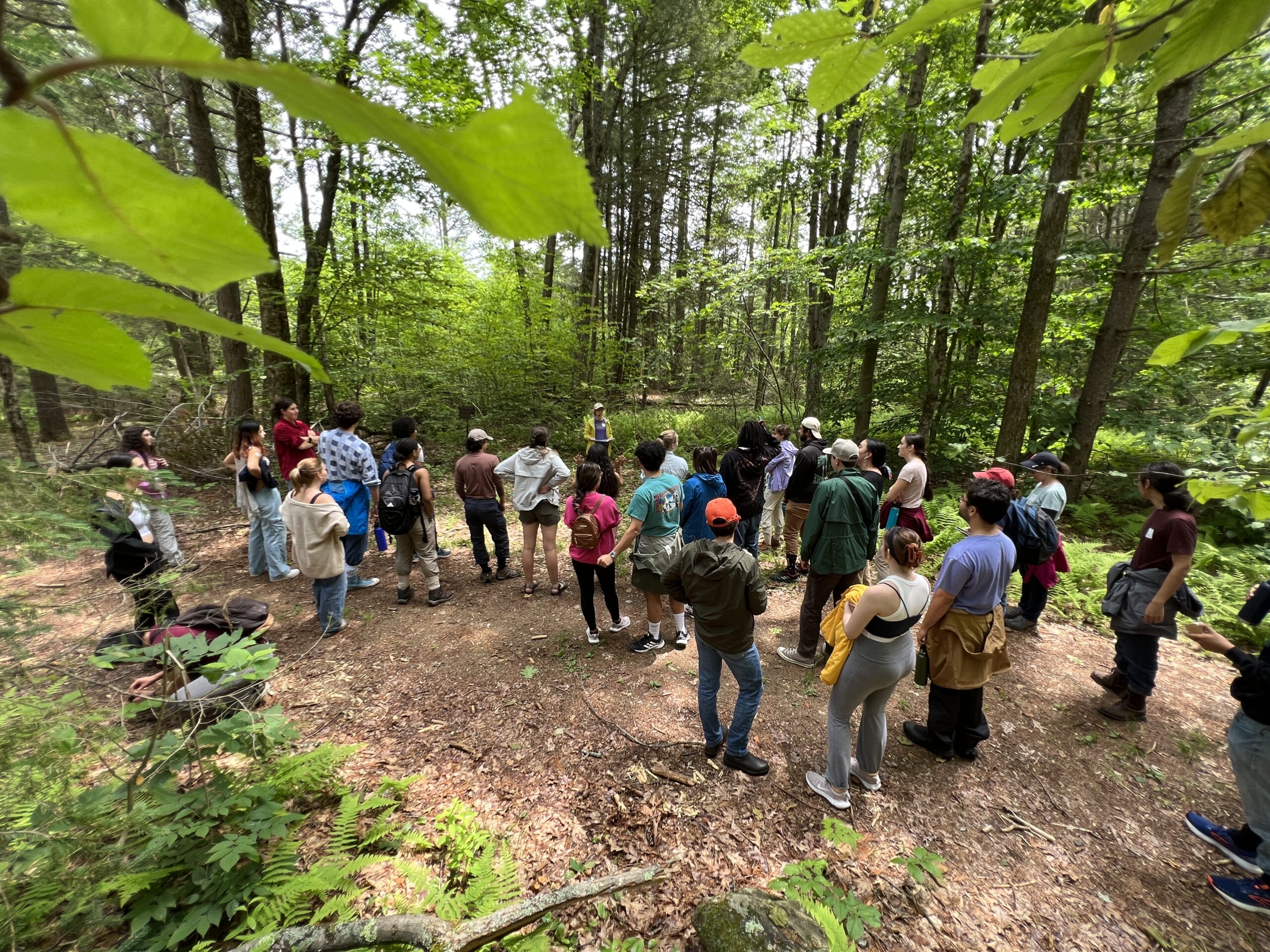
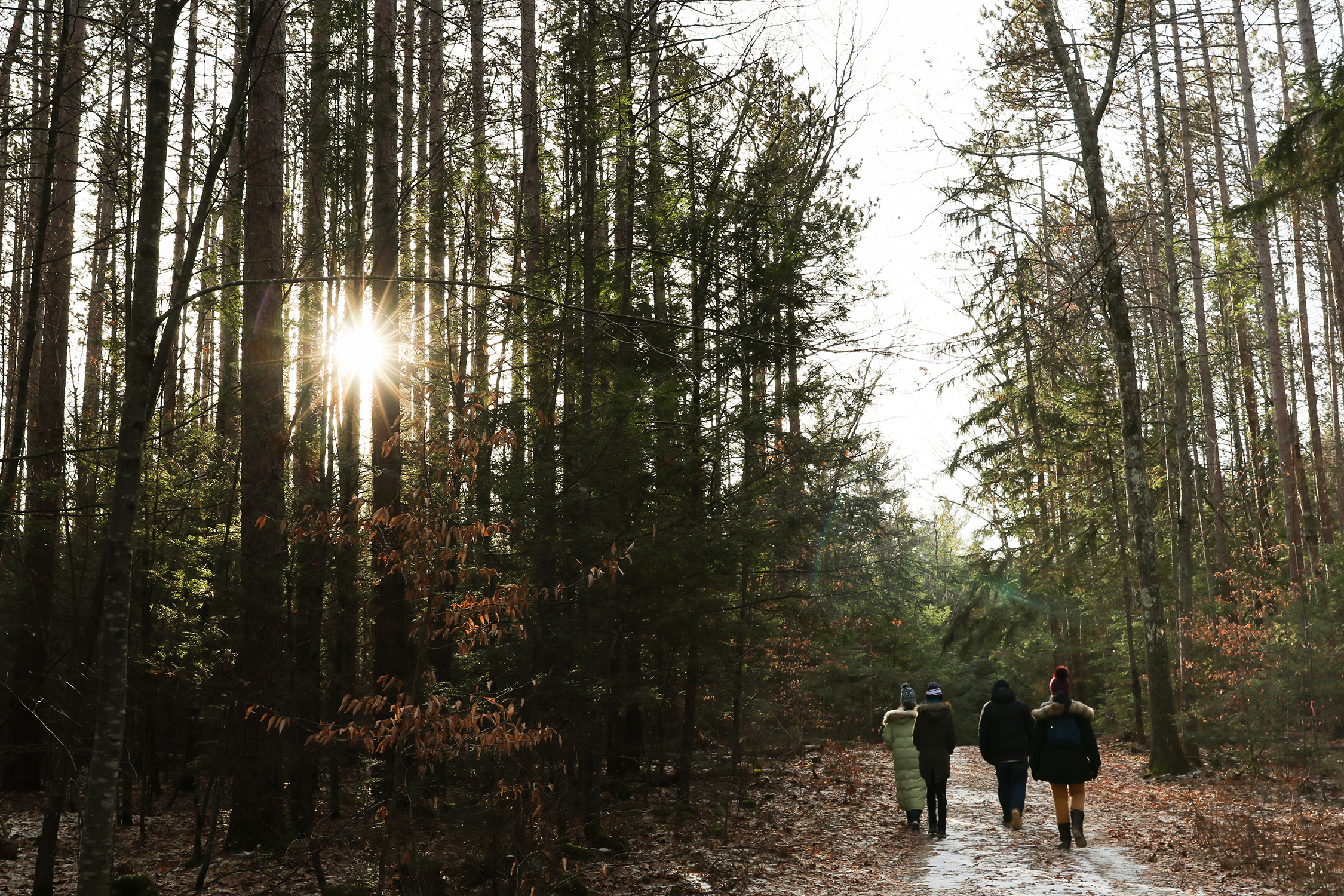
Harvard students, faculty, fellows, and staff are welcome to sign up for a free Community Bus Trip to Harvard Forest on Saturday, March 28, 2026.

The 4 hours spent on site will be guided by educators and scientists at the Forest, including:

  • an overview of Harvard Forest’s interdisciplinary research and education programs
  • a brief, interactive tour of the Fisher Museum
  • a ~2-mile guided field tour on uneven dirt roads with low to moderate incline:
    • explore several of the Forest’s signature climate research experiments
    • optional: weather-permitting, climb a 92′ research tower
    • learn local plant and wildlife ID
    • discuss the Indigenous and colonial history of the region
    • discuss modern efforts in climate policy, land management, environmental education, and Indigenous community collaboration

Bus trips will depart Harvard Square at 10:00am and return to campus by 6:00pm. Attendees must bring their own lunch and snacks; Harvard Forest is a rural area and there is no way to purchase food or drinks here.

Registration is first-come, first-served, except that first-time visitors and graduating students will be prioritized if registration is over-subscribed.

Photo by Amy Li.

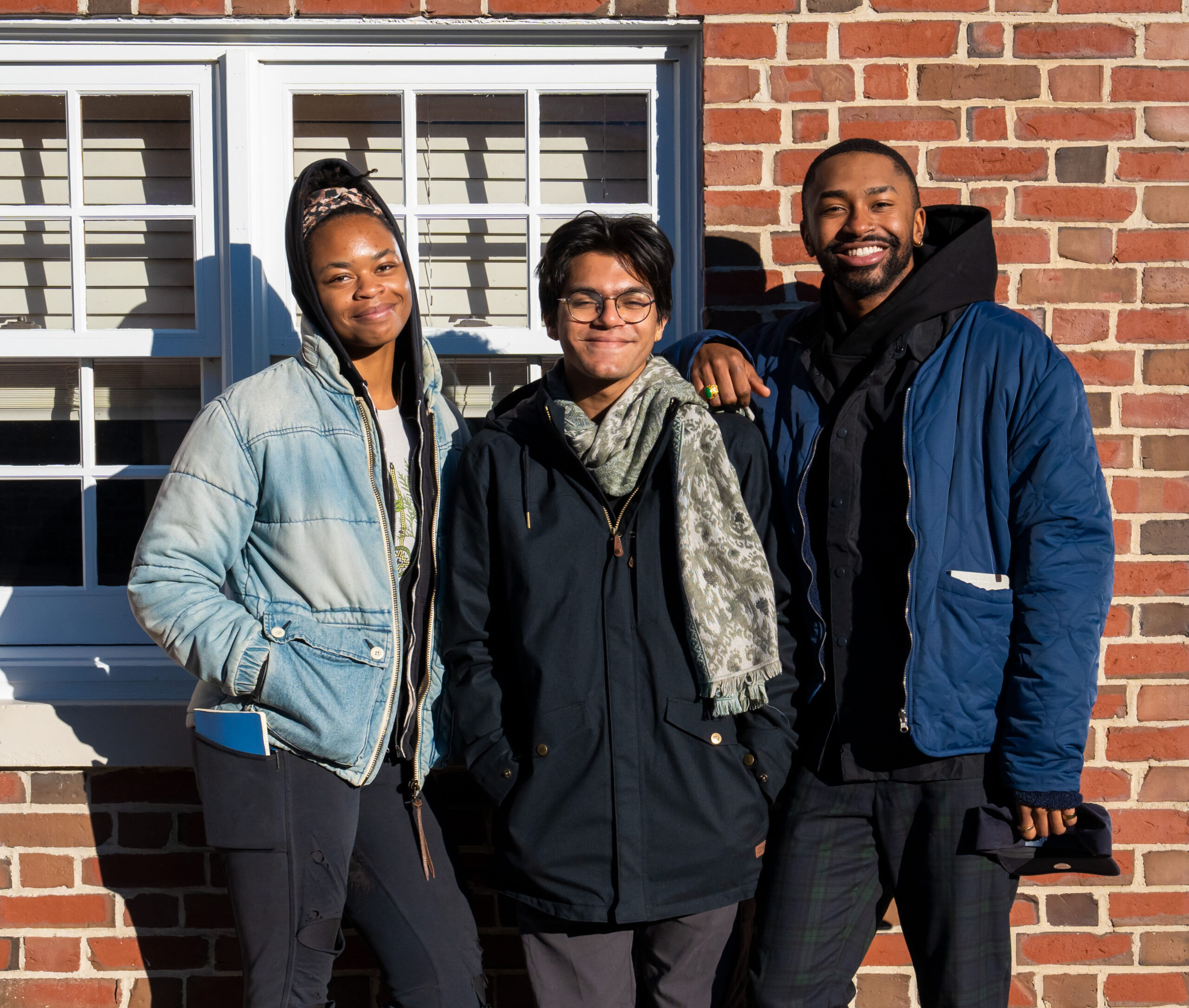
Kashish Bastola, Two-Time HF Intern, Named Marshall Scholar

Kashish Bastola, a Harvard Forest winter and spring 2023 intern, and co-creator of the Forest’s Manchage Manexit Trail, has been named a 2026 Marshall Scholar and also awarded Harvard’s Paton Prize in the Humanities, recognizing the senior showing greatest promise in the humanities or fine arts.

While in the UK for two years as a Marshall Scholar, Kashish will study global and imperial history.

In project work with Nia Holley, Tyler White, Clarisse Hart, and Shersingh Joseph Tumber-Dávila, Kashish has been a vibrant, creative, and soulful contributor to the Forest community. He reports, “Working with the Forest has set me on a path of studying histories of imperialism and colonialism with intentionality and a focus on visual/material culture and what museums say about memory.”

Kashish, the Forest is cheering you on!

Photo of Kashish (center) with Nia Holley and Tyler White, at Harvard Forest, by Ben Goulet-Scott.

New Study: A Comparison Shopper’s Guide to Forest Datasets

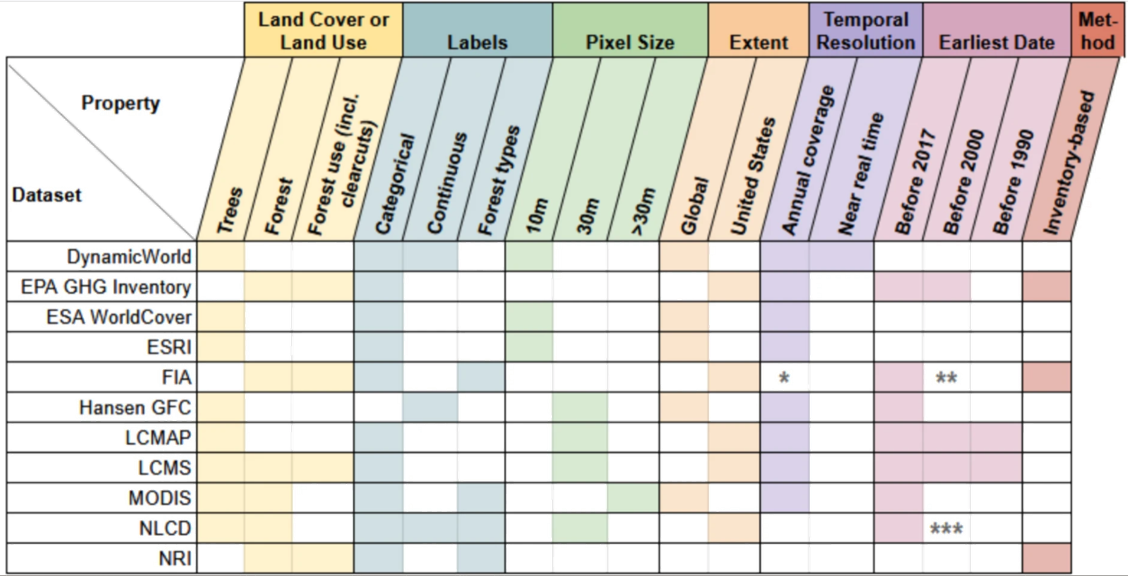
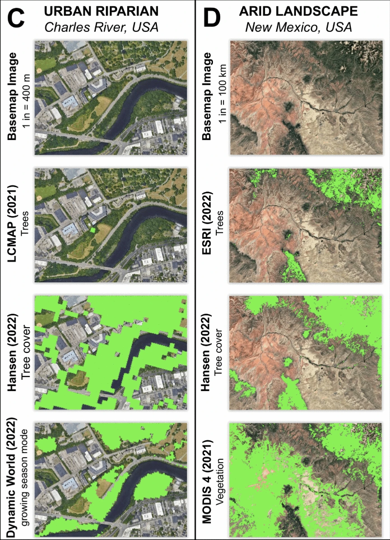
A new study from the Thompson Lab, led by Harvard Forest Research Assistant Lucy Lee, evaluated 27 publicly available data products that quantify the distribution of “forests” across the conterminous United States. They found that these tools’ estimates of the total land area of forest ecosystems differed by over 2,000,000 km2.

One example the authors offer is that, depending on the public dataset used, someone wishing to understand the status of forests in the U.S. might reasonably conclude that 81,991 km2 of forest have been lost over the past 30 years – but could just as reasonably conclude that 93,536 km2 has been gained.

The authors urge caution to researchers and practitioners in selecting a dataset, because the characteristics of the datasets vary widely (including the time resolution used to gather the data, and the threshold at which a pixel is considered “forest”).

Lucy Lee, co-lead author of the study, explains: “Intuitively, we understand what a ‘forest’ is when we are in one. So, when we see a map labeled ‘forest’, it is easy to assume that the map matches up with our expectations of what a forest is. But there are many factors, both technical and conceptual, that lead maps of ‘forest’ to be different and sometimes surprising. Today, people have many choices in what forest maps they use, and we wanted to highlight the differences between them and give people tools to choose the best data for their needs.”

The most appropriate dataset to use, the authors suggest, depends on the question the data is intended to answer, and also may require the use of statistical methods to correct biases in map-based estimates.

A figure from the paper, showing how forest cover (in bright green pixels) is documented differently by different forest datasets.

They developed a public tool for quick reference to help users understand the assumptions and characteristics behind forest datasets, and which one may be best suited to their question. They have also published their processing code so the comparative tool can be used in other regions.

This work was by the National Science Foundation (DEB-LTER-18-32210).

New Insights on Oak Survival in Southern New England

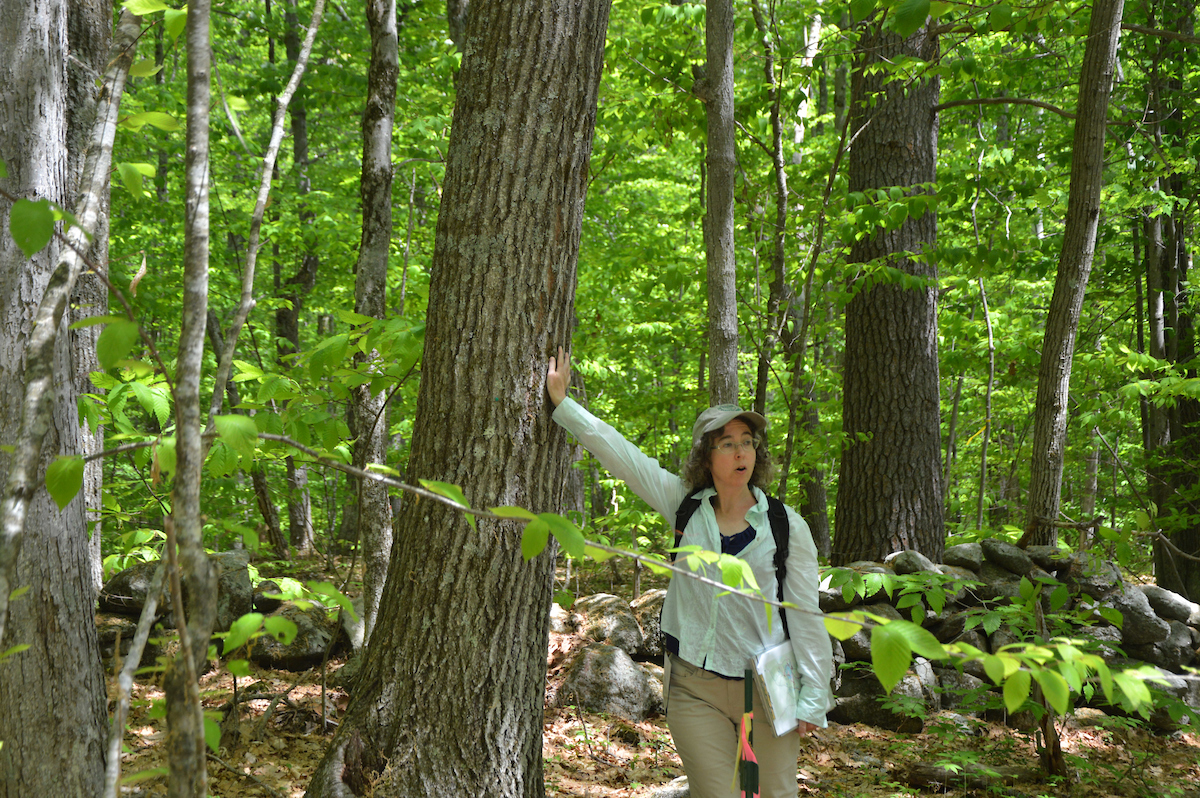
A study led by Harvard Forest Senior Ecologist Audrey Barker Plotkin sheds light on the factors affecting oak tree survival during regional outbreaks of spongy moth (Lymantria dispar), an invasive insect that can cause widespread oak mortality.

The authors tracked oak tree populations from 1970 to 2020 across a network of permanent study plots in central Massachusetts forests. The 50-year timespan of data collection meant they were able to contrast the short- and long-term effects of two major spongy moth outbreaks – one that peaked in in 1980–1981, and another that peaked in 2017.

Their results showed a greater loss of oak trees and carbon biomass during the 2010s outbreak than the 1980s outbreak. The average oak tree that died between 2010 and 2020 was larger and had more than twice as much biomass than the average oak tree that died between 1980 and 1990. The authors posited that water stress in the later outbreak may have been a factor in the increased mortality of large trees. Higher mortality risk was also associated with sites that experienced more years of local defoliation during the outbreaks.

Despite major losses of oaks during the two spongy moth outbreaks, the relative abundance of oak in the study plots remained steady from 1970 to 2020, and the absolute amount of oak biomass nearly doubled. However, the survival of new oak seedlings declined over the 50-year study period and was much lower than for other tree species.

This work received funding from the National Science Foundation, both through the LTER program (NSF-DEB 1832210) and the REU program (NSF-DBI 1950364).

Photo of Audrey Barker Plotkin and an oak tree, by Jenny Meskauskas.

New Chapter for the Forest’s Signature Climate Research Tower

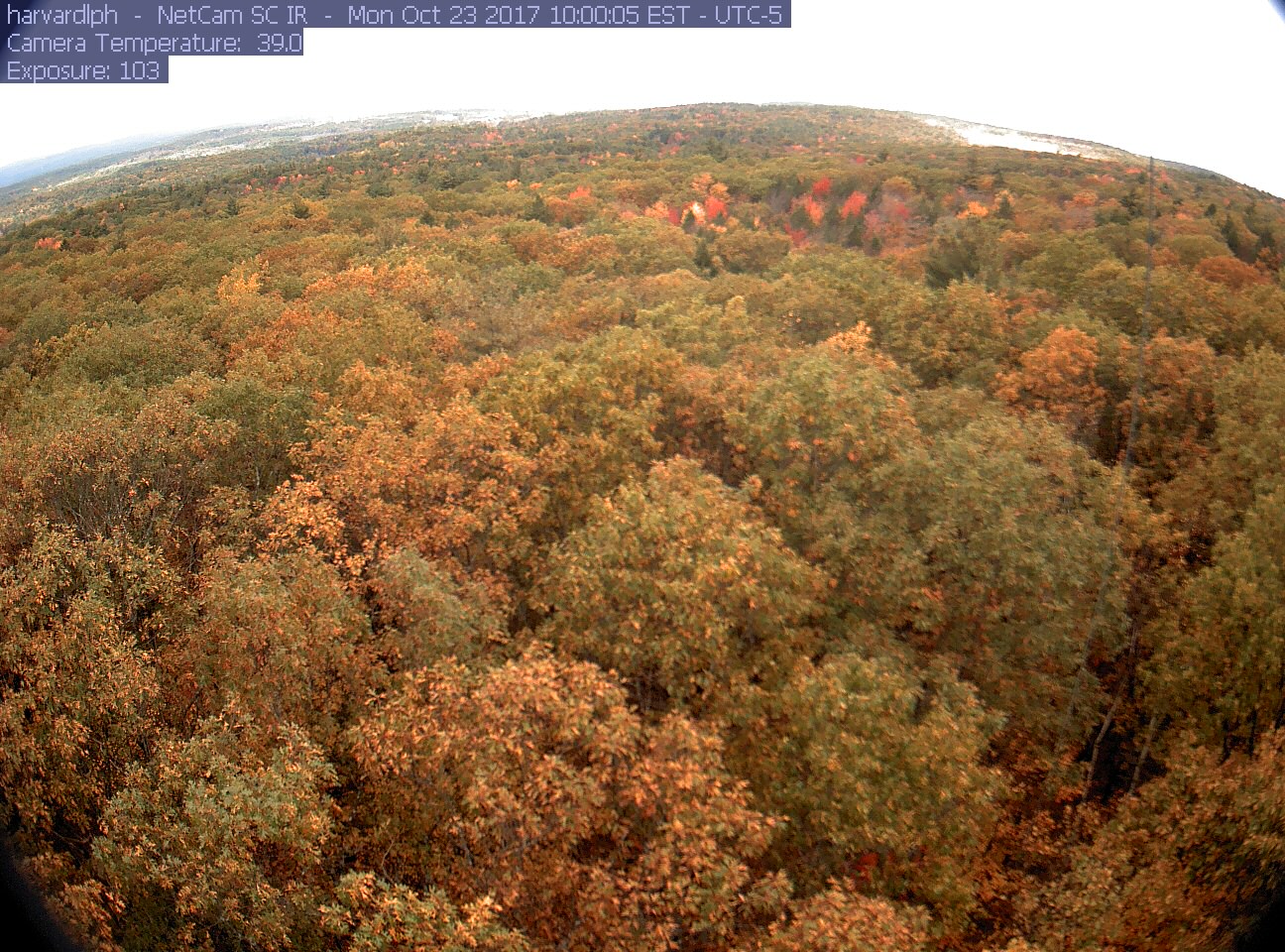
Harvard Forest’s signature climate research infrastructure – the Environmental Measurement Station tower – has gotten a vital upgrade thanks to support from the Salata Institute and Harvard’s Faculty of Arts and Sciences. A new, taller tower installed in summer 2025 will continue the world’s longest-running carbon flux dataset from the Forest’s Environmental Measurement Station (EMS).  

The tower measures carbon dioxide, methane, nitrogen oxides, ozone, and other trace gases several times per second. Launched by SEAS/EPS Professor Steve Wofsy in 1991, it was the first of its kind in the world, and continues to provide core (public) data for global climate models.

Crucial leadership for the tower upgrade and its data continuity was provided by HF Senior Ecologist Jackie Matthes, HF Research Assistant Mark VanScoy, HF Field Technician Maxwell Lutz, and Bill Munger, senior research fellow in atmospheric chemistry at the Paulson School of Engineering and Applied Sciences.

The Harvard Gazette recently highlighted the new EMS tower and its vital contributions to ecosystem science.

Data from the EMS tower is free and publicly available and can be explored in the Harvard Forest data archive.

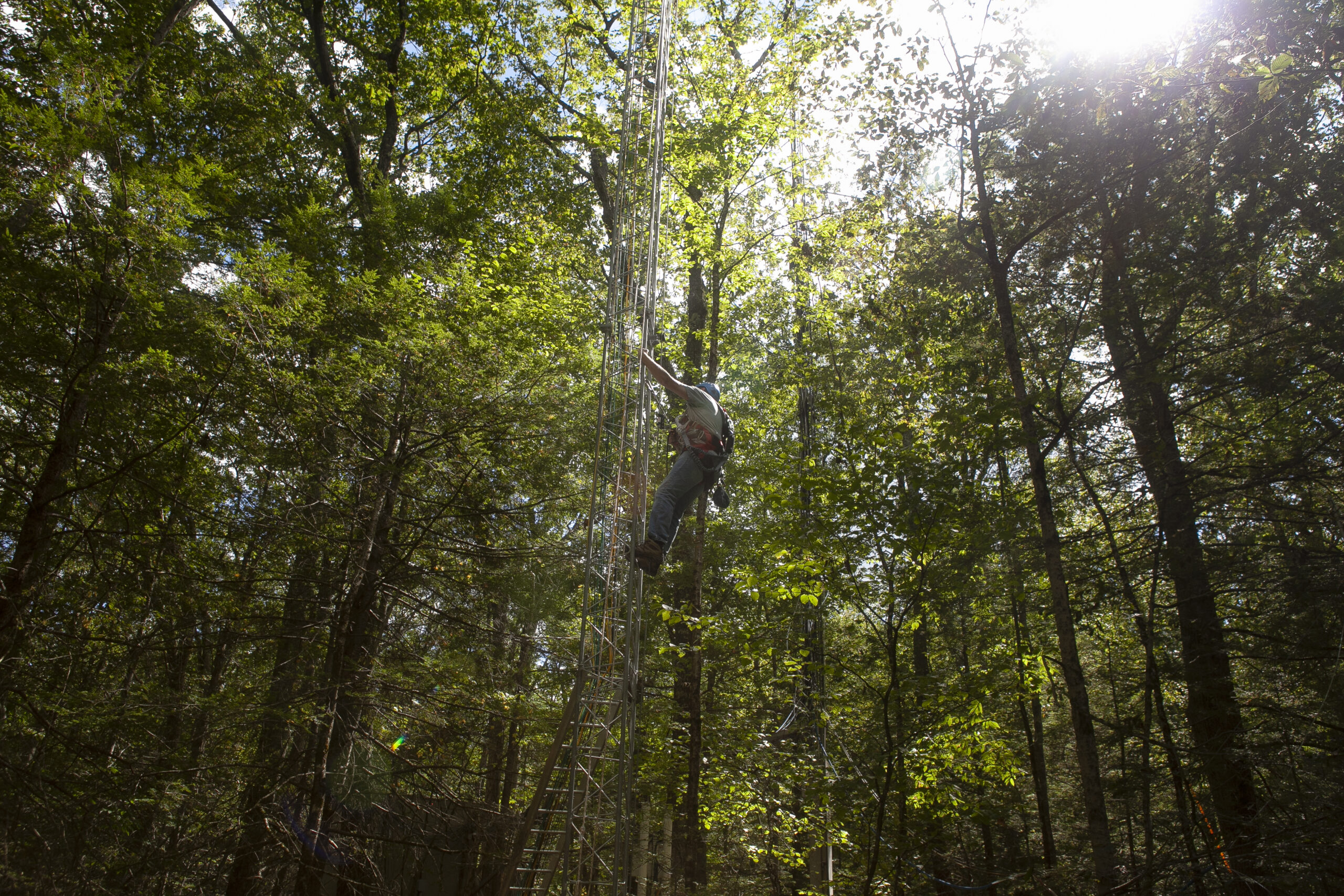
Photo by David Trilling shows Mark VanScoy climbing the newly installed EMS tower in summer 2025.

Schoolyard Ecology Supports After-School Nature Club

With a new grant from the Greater Worcester Community Foundation, educators from the Harvard Forest Schoolyard Ecology Program are supporting a free after-school Science and Nature Club for students grades 3-6 at the Petersham Center School.

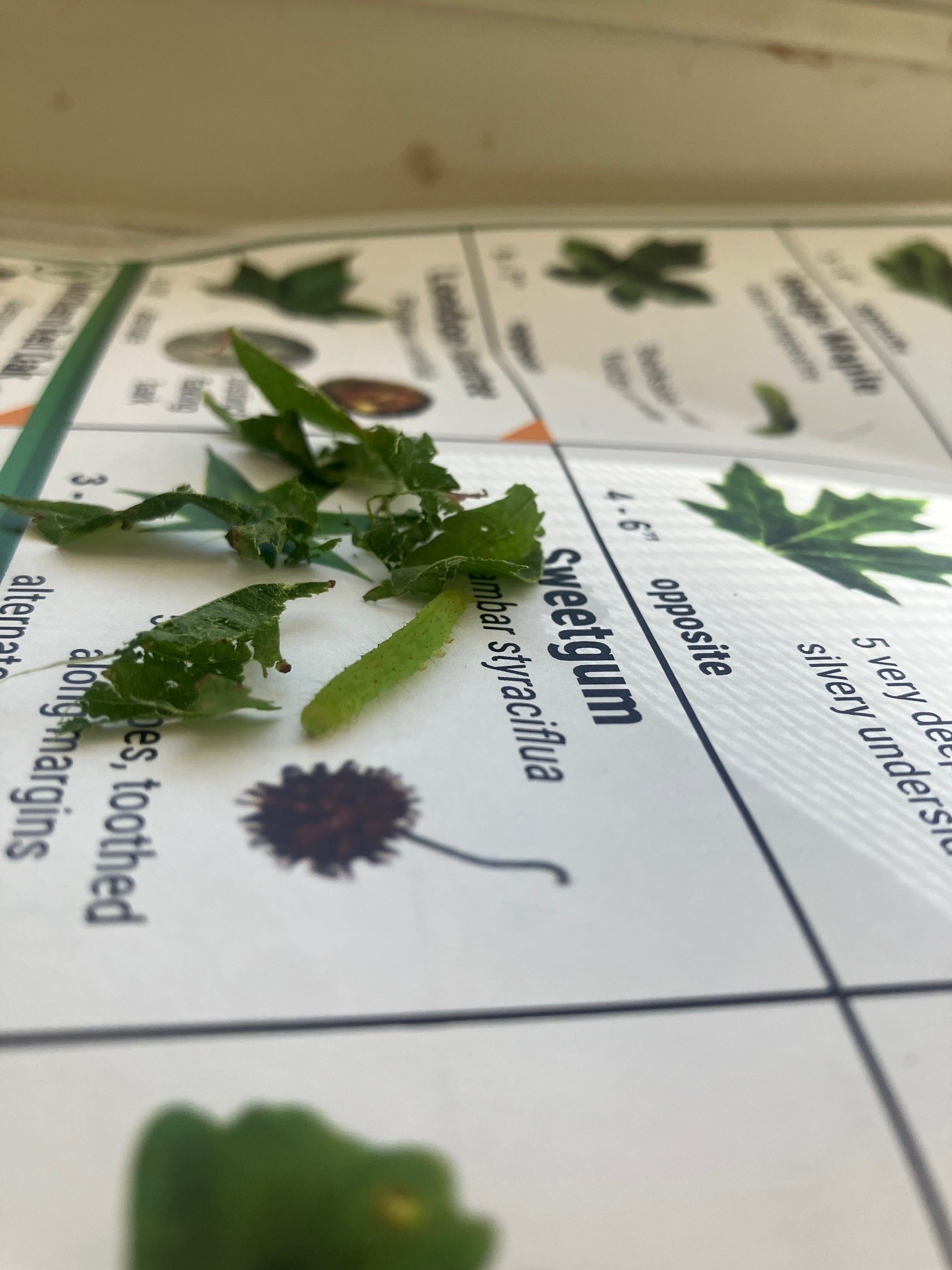
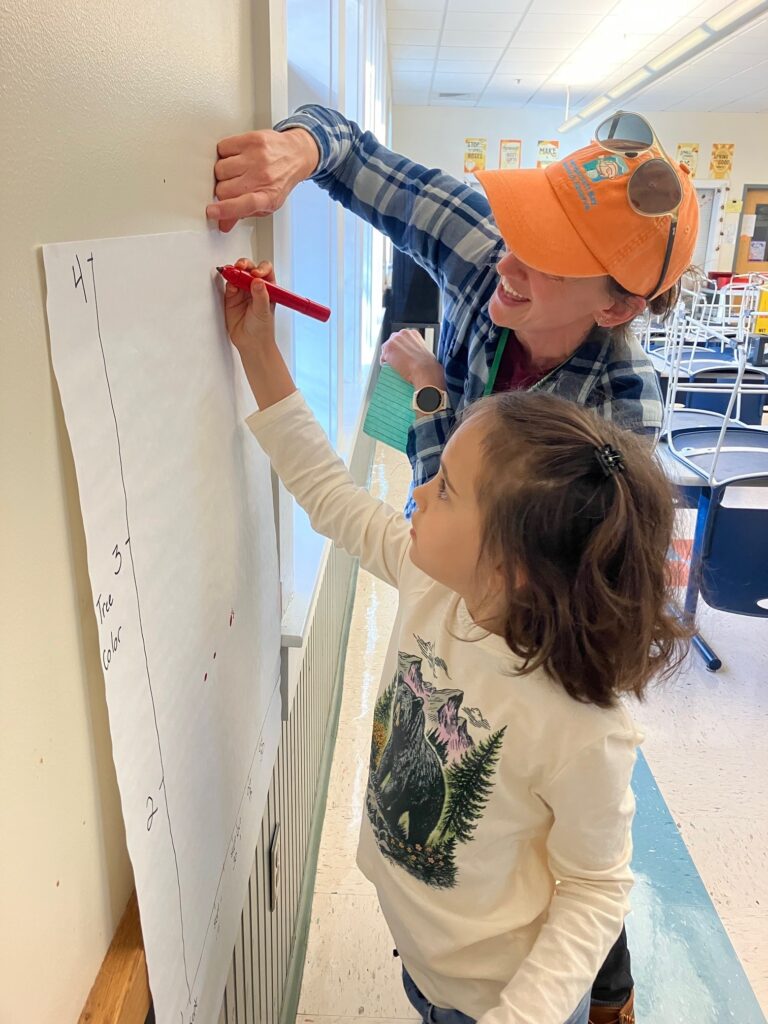
For 6 weeks in the autumn and 6 weeks in the spring, student participants collect phenology data from trees outside, explore the wild plant and animal species in their schoolyard, and graph their data on posters.

a school-age child makes a dot on a large graph on the wall of a school cafeteria, while HF educator Katharine Hinkle looks on

The program complements a range of programs the Forest offers at the Center School throughout the year, including programming for Arbor Day, and a field trip for every grade in the spring.

3rd Census of HF Global Earth Observatory Complete

August 2025 marked the culmination of the third census of the Harvard Forest “megaplot,” part of an international effort to track forest change at large scales over time. Over the course of two consecutive summers, 14 research assistants, led by HF Senior Ecologist Dave Orwig, contributed to the the re-census effort, working daily to measure over 70,000 woody stems in the 35-hectare (85-acre) area. 

The census is taken every 5 years, and all data are made public. Since 2020, 5,000 new stems have grown to at least 1 centimeter in diameter. Those sapling newcomers include over 1,000 hemlock trees and over 800 mountain laurel and black birch stems. 

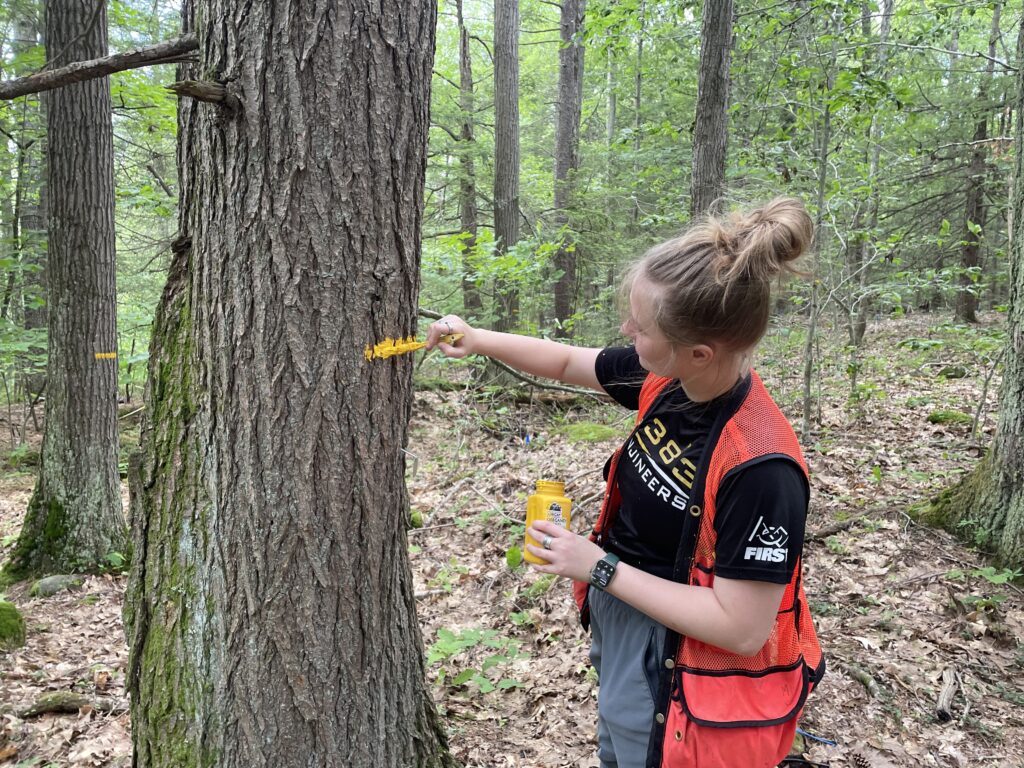
technician paints a yellow line on a tree trunk, showing that it has been measured

This census also documented over 11,800 dead stems–with almost 5,000 of them being eastern hemlock that succumbed to the invasive insect, the hemlock woolly adelgid (HWA).  Altogether, more than 8000 hemlock have died in the plot since initial measurements in 2014.

Norway spruce and red pine plantations that were established by Harvard Forest students in the early 1900s have been steadily dying as well, leaving very few of either species remaining in the study area. 

Harvard University Community Bus Trip on Nov. 1

Harvard students, faculty, fellows, and staff are welcome to sign up for a free Community Bus Trip to Harvard Forest on Saturday, November 1.

Register here! (**October update: Please note: this trip is now full and we are accepting wait-list registrations.**)

The 4 hours spent on site will be guided by educators and scientists at the Forest, including:

  • an overview of Harvard Forest’s interdisciplinary research and education programs
  • a brief, interactive tour of the Fisher Museum
  • a ~2-mile guided field tour on uneven dirt roads with low to moderate incline:
    • explore several of the Forest’s signature climate research experiments
    • optional: weather-permitting, climb a 92′ research tower
    • learn local plant and wildlife ID
    • discuss the Indigenous and colonial history of the region
    • discuss modern efforts in climate policy, land management, environmental education, and Indigenous community collaboration

Bus trips will depart Harvard Square at 10:00am and return to campus by 6:00pm. Attendees must bring their own lunch and snacks; Harvard Forest is a rural area and there is no way to purchase food or drinks here.

Registration is first-come, first-served, except that new visitors will be prioritized over return visitors.

Harvard Forest Welcomes New Director

The Harvard Forest community and Harvard’s Faculty of Arts and Sciences are delighted to welcome Dr. Jonathan Thompson as the Forest’s eighth Director.

Thompson is a landscape ecologist whose lab studies the impacts of land use on forest processes and services. His lab conducts basic research to understand the impacts of forest fragmentation on forest carbon cycling and the ways that forest ecosystems respond to natural and human disturbance. He also conducts applied research to understand how alternative policy and management choices can help society achieve goals for mitigating climate change and conserve biodiversity.  He was the lead author of the Land Sector and Forest Carbon studies for the Massachusetts Decarbonization roadmap and recently partnered with Mass Audubon on an analysis showing how the state can meet its alternative energy goals without clearing forests for utility scale solar.

Thompson first came to Harvard Forest in 2008 as a post-doctoral fellow working with then-Director David Foster. Following a five-year position at the Smithsonian, he returned to Harvard Forest full-time as a Senior Ecologist.  From 2019 to 2025 he served as lead principal investigator for Harvard Forest’s NSF-funded LTER program.  In 2020 he was promoted to HF Research Director.

Thompson’s goals as Director stem from deep knowledge gained through many years of connection with the Forest. “The Harvard Forest is a special place,” Thompson says, “where researchers and students are working together to make discoveries about the natural word. We are Harvard University’s outdoor classroom and laboratory. My goals are to increase the use of the Forest for experiential learning and for faculty research.”   

Harvard Student Opportunity: Fall 2025 Part-Time Research Internships

Currently enrolled Harvard University undergraduate and graduate students are encouraged to apply for our open research internships for the Fall 2025 semester.

1. Harvard Forest Field Science Internship (Barker Plotkin Lab)

This paid, fall semester internship will support one full day (8 hours) per week of field data collection at Harvard Forest with the Barker Plotkin Lab and up to 7 hours per week of flexible, remote work on data entry and analysis.

The Barker Plotkin Lab at Harvard Forest studies how forest development trajectories are shaped by the legacies of past disturbances and altered by novel and compounding disturbance. The Barker Plotkin Lab intern will have the opportunity to develop skills in forest ecology measurements, data management and data analysis in the context of the multi-decade Hemlock Removal Experiment. This 15 hours/week position is open to currently enrolled Harvard students, and pays $20/hour for undergraduates or $30/hour for graduate students.

Candidates for this internship must be able to commit to spending one full weekday off-campus at the Harvard Forest (likely a Friday with class schedules, but this is flexible; work time will not include holidays or extraordinary circumstances), with carpooling and train options for travel from the Cambridge campus to the Forest. Field data collection at the Harvard Forest requires comfort working full days outdoors in changeable autumn weather conditions (light rain, chilly temperatures that can be as low as 32°F/0°C) through the fall semester. Candidates should also be comfortable carrying a 15-lb backpack up to 1.5 miles over uneven terrain. Along with the field data collection, Dr. Barker Plotkin and the intern will co-develop a research question that will be investigated by the intern during their remote work.

TO APPLY

Interested candidates should submit a COMBINED PDF of a resume and cover letter via Crimson Careers, or directly to Ben Goulet-Scott at bgoulet@g.harvard.edu, by August 29, 2025.

2. Harvard Forest Spatial Data Internship (Thompson Lab)

The Thompson Lab at the Harvard Forest is seeking a motivated and skilled Harvard undergraduate or graduate student for a paid research internship focused on spatial data analysis. The project explores the role of forests as natural climate solutions.

Position Details:

  • Compensation: This 15 hours/week position pays $20/hour for undergraduates or $30/hour for graduate students.
  • Time Commitment: Up to 15 hours per week
  • Duration: Fall 2025 semester
  • Location: Hybrid – remote with periodic in-person meetings at Harvard Forest in Petersham, MA (approximately 70 miles from Cambridge)

Qualifications:

  • Proficiency in R statistical software is required
  • Experience with spatial data analysis and GIS is strongly preferred
  • Strong communication skills and ability to work independently

Responsibilities:

  • Support spatial data cleaning, visualization, and statistical analysis
  • Contribute to research on forest carbon dynamics and land-based climate mitigation
  • Participate in regular Zoom check-ins and collaborate with team members

Interns are required to spend at least one day per month in person at Harvard Forest. Carpooling and train options are available for travel from Cambridge.

TO APPLY

Interested candidates should submit a COMBINED PDF of a resume and cover letter via Crimson Careers, or directly to Ben Goulet-Scott at bgoulet@g.harvard.edu, by August 29, 2025.

New Publication Sets the Standard for Eastern Hemlock Trees

A comprehensive ecological accounting of the Eastern Hemlock tree (Tsuga canadensis) was published this month in The Journal of Ecology by HF Senior Ecologist Dave Orwig and recent Bullard Fellow Peter Thomas.

The paper follows the international standard for outlining a species’ distribution, habitat, communities, responses to the environment, structure and physiology, phenology, herbivores and disease, history, more.